India is on an ambitious journey to build the world’s largest highway network, transforming its road infrastructure to support economic growth and seamless connectivity. With a vast road network spanning 62 lakh km, highways play a crucial role in the country’s transportation system. However, the national highway network, which makes up only 2.5% of the total roads, is struggling with overcapacity. To address this, India is focusing on several mega highway projects under the Bharatmala Project and other expressway initiatives.
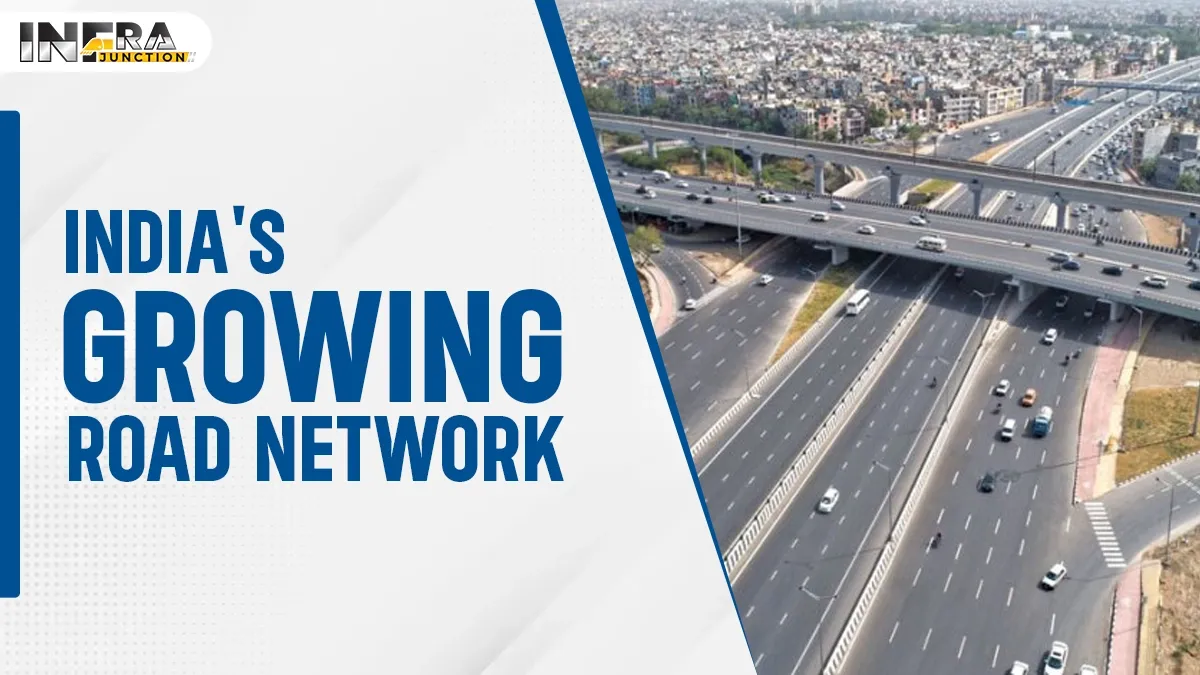
India's Growing Road Network
India has the second-largest road network in the world, and nearly 71% of freight and 85% of passenger traffic rely on them. However, to keep up with increasing demand, highways need to be widened and upgraded. The government is heavily investing in highway projects to make travel easier, enhance trade corridors, and spur economic growth.
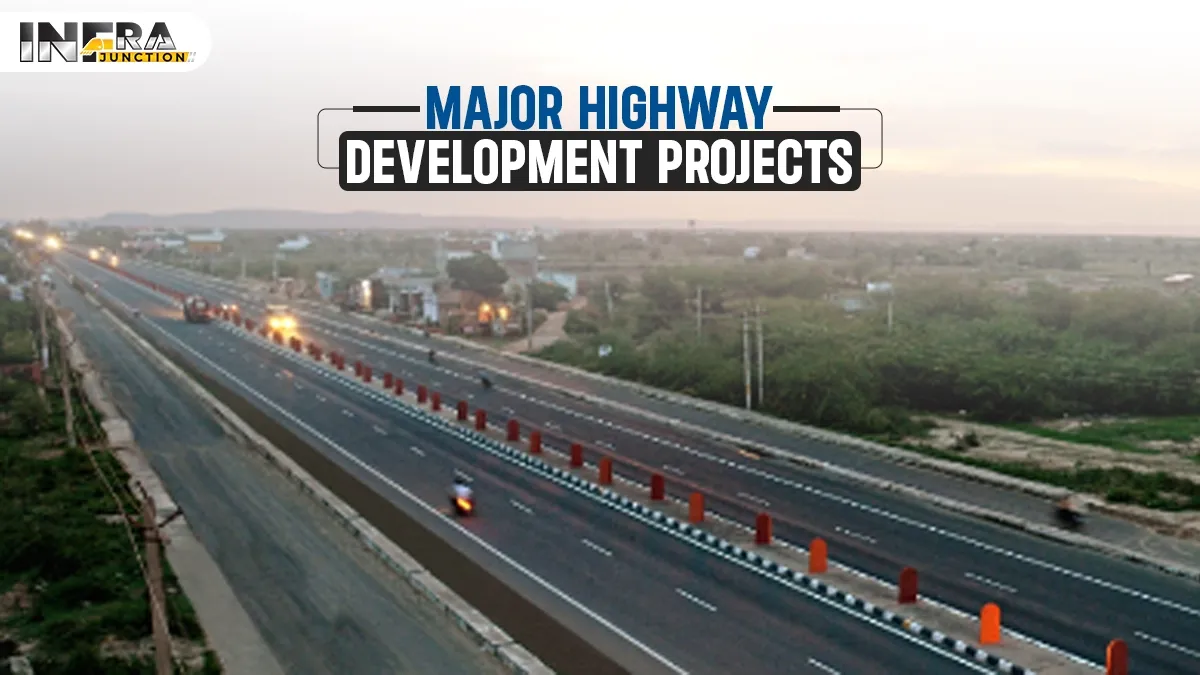
Major Highway Development Projects
1. Golden Quadrilateral (GQ)
One of India's biggest highway projects, the Golden Quadrilateral, is a 5,846 km highway connecting Delhi, Mumbai, Kolkata, and Chennai. It improves trade corridors by upgrading two-lane highways to four/six-lane highways, including bypasses, and constructing flyovers. Some of the key highways in this corridor are NH44, NH19, NH48, and NH16, linking leading industrial hubs and ports.
2. North-South & East-West Corridors
This 7,300 km long corridor is from North's Srinagar (North) to South's Kanyakumari (South) and West's Porbandar to East's Silchar. NH44 is the North-South highway and NH27 is the East-West highway in this project. This project will de-congest by by-passing congested towns and enhance inter-city connectivity between major cities like Delhi, Hyderabad, Bengaluru, and Kolkata.
3. Bharatmala Project
The Bharatmala Project was started in 2017, and 83,677 km of highways are planned to be constructed as new highways with special focus areas on connecting inaccessible and border areas. NHIDCL has been established for taking care of the projects in the difficult areas, such as Northeast, Jammu & Kashmir, and Ladakh.
The plan is to complete 34,800 km in Phase 1.
15,550 km of highways have been completed as on December 2023 at an expense of Rs 4 lakh crore.
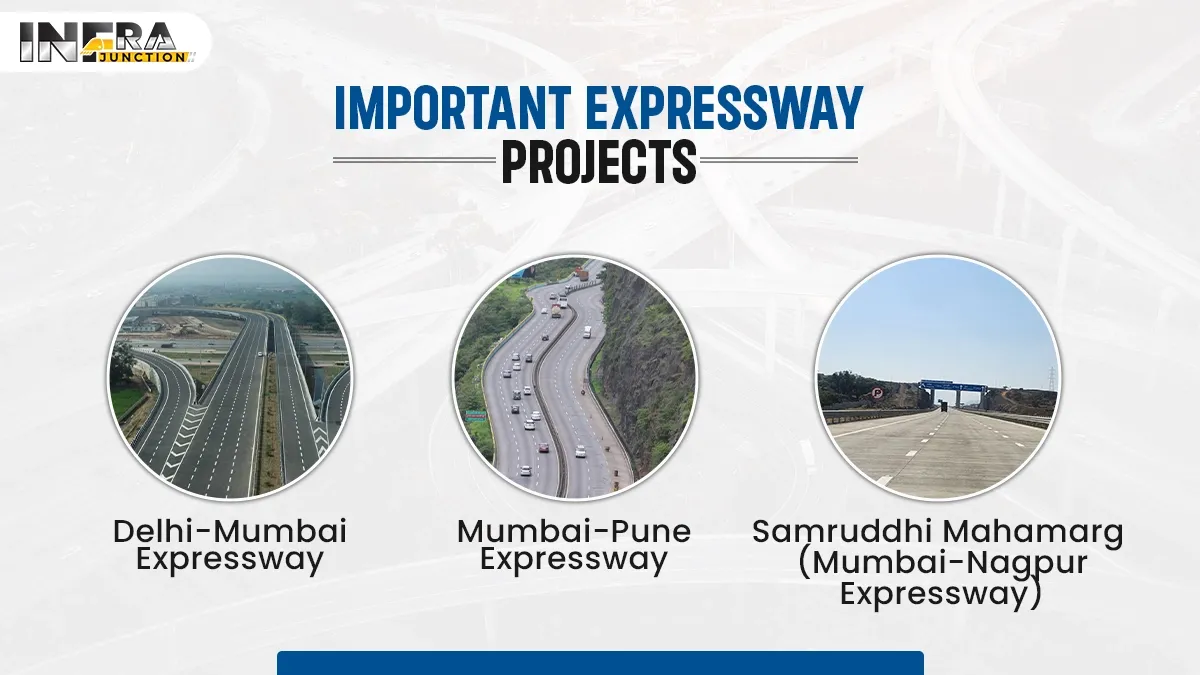
Important Expressway Projects
Delhi-Mumbai Expressway
Expressway of length 1,350 km that will cut the travel time down to 12 hours from 24 hours.
930 km of the expressway will be ready by 2024 and the work will be finish next year.
The project will greatly boost the trade and tourism between the two big cities.
Mumbai-Pune Expressway
India’s first expressway, partially opened in 2000, remains one of the busiest routes.
A 135 km bypass called the Missing Link Project is under construction to reduce congestion.
This expressway plays a crucial role in connecting Mumbai’s business hubs with Pune’s IT sector.
Samruddhi Mahamarg (Mumbai-Nagpur Expressway)
A 701 km long expressway with 625 km already operational.
The Rs 55,000 crore project will reduce Mumbai-Nagpur travel time by half.
Anticipated to spur agricultural and industrial growth along its corridor.
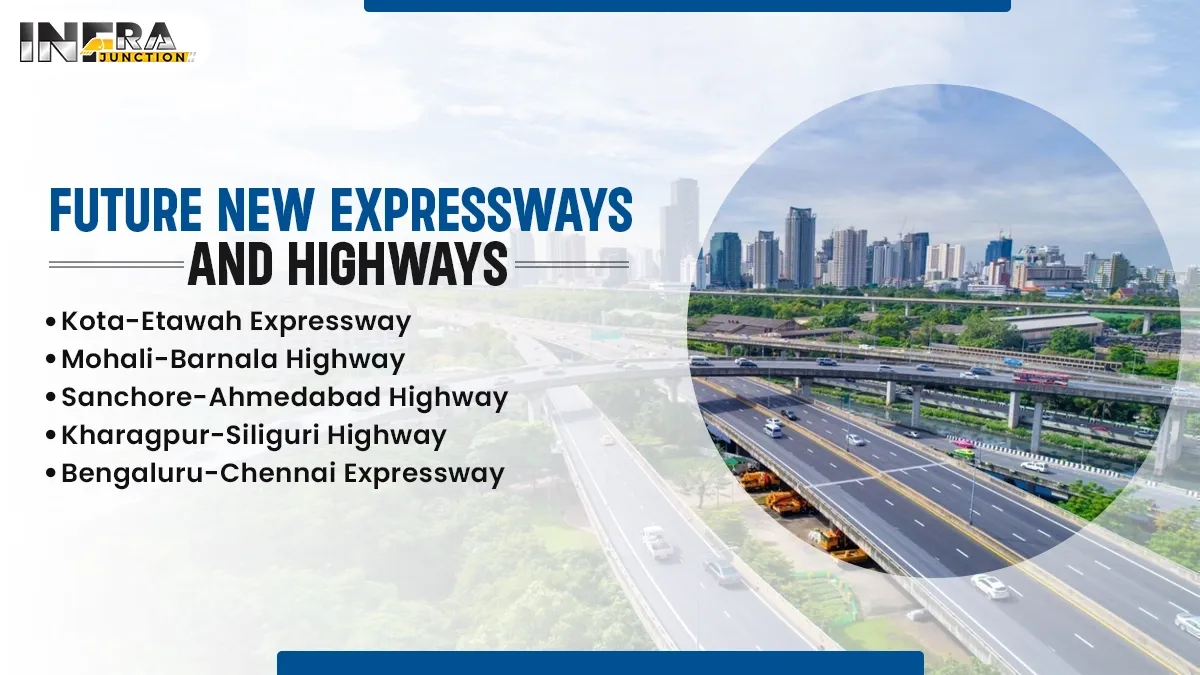
Future New Expressways and Highways
Several expressways and new highways are in the pipeline, i.e.:
Kota-Etawah Expressway
Mohali-Barnala Highway
Sanchore-Ahmedabad Highway
Kharagpur-Siliguri Highway
Bengaluru-Chennai Expressway
These projects will add 4,887 kilometers of new highway, strengthening connectivity in Maharashtra, Northern Karnataka, and other underdeveloped regions. These will also reduce traffic bottlenecks and enhance regional commerce networks.
Land Acquisition & PPP Model
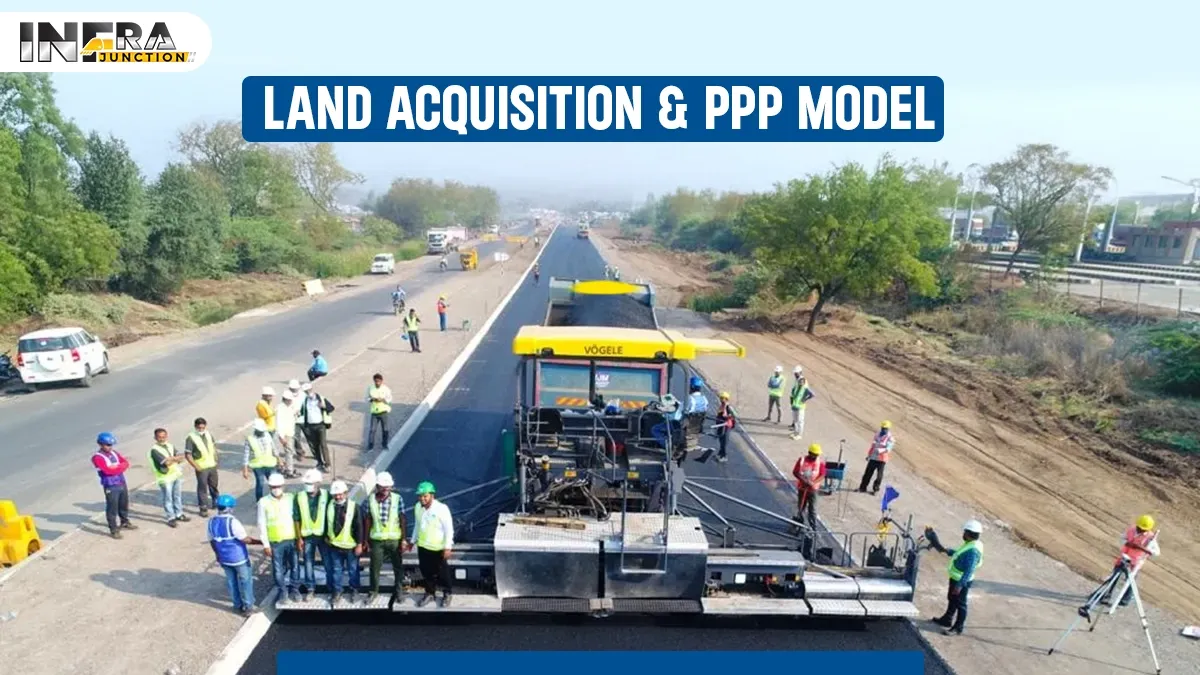
Land acquisition continues to be among the biggest concerns for highway development in India. Protests and lengthy approval processes often cause cost overruns and delays. The Public-Private Partnership (PPP) system has been adopted in order to reduce government expenditure, but excessive interest rates and delayed projects at times lead to additional overall costs.
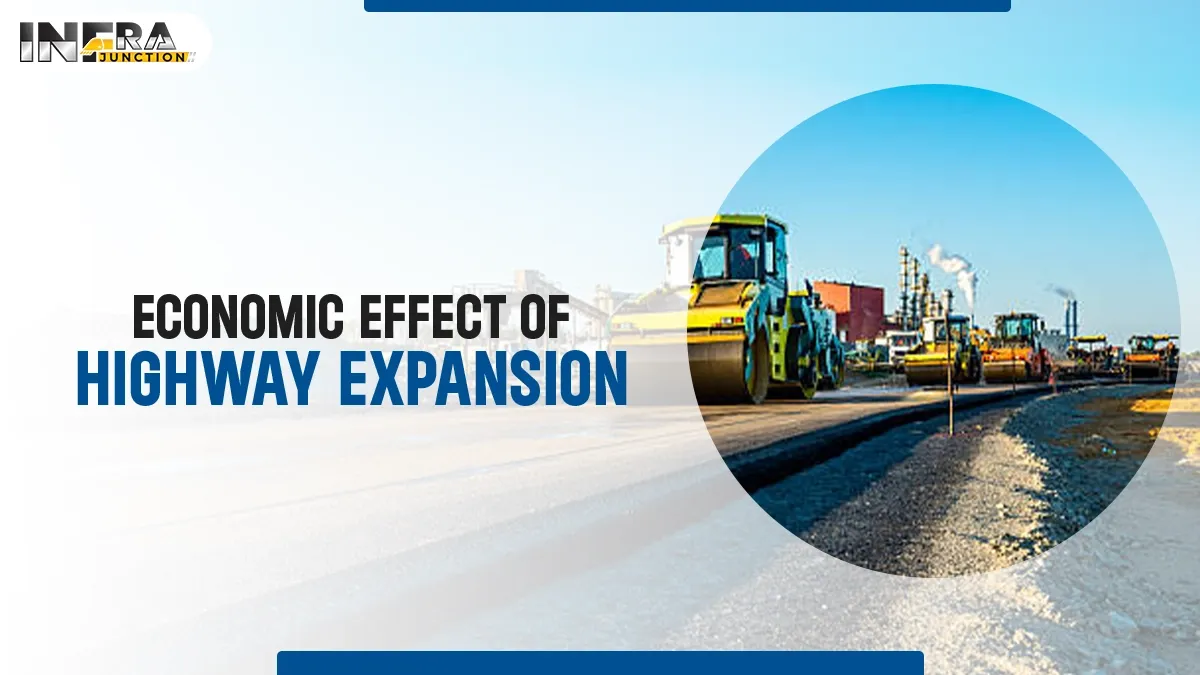
Economic Effect of Highway Expansion
Highway development brings out immense economic rewards:
The Bharatmala Project will create 14 crore person-days of work and 2 crore permanent employment opportunities.
Better roads can lower logistics costs by 10-15%, and streamline freight movement.
Better connectivity supports local industries, raises incomes, and deters city migration.
Better roads add to greater GDP growth due to improved trade and supply chain efficiency.
Environmental Concerns & Sustainability
As connectivity enhances with highway expansion, so do environmental concerns:
Massive construction causes deforestation and destruction of natural habitats.
Nature corridors are disrupted, posing threat to biodiversity.
The government has made efforts through wildlife crossings, green road design practices, and more stringent environmental policy.
Non-motorized modes of transport, i.e., railways and rivers, are promoted to curb congesting and cutting carbon footprint.
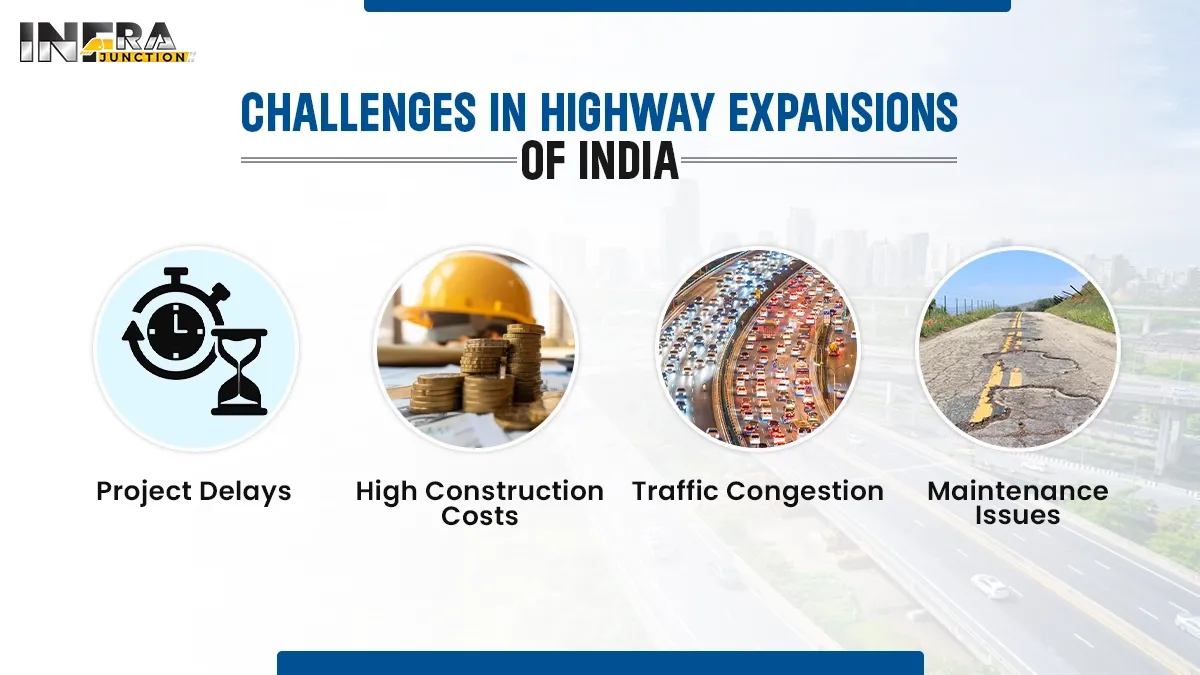
Challenges in Highway Expansions of India
Development has been occurring, but there are issues:
Project Delays: Some projects are late because of land disputes, slow approvals, and lack of funding.
High Construction Costs: Rising labor and material costs impact construction project budgets.
Traffic Congestion: Despite expansion efforts, city areas still have bottlenecks.
India's highway expansionist plans seek to enhance connectivity, logistics, and economic growth. Rather than concentrating on issues of land acquisition, cost, and environmental concerns, the government is working towards effective project delivery, sustainable development, and better infrastructure planning. Economic growth cannot go hand in hand with unbridled expansion; there has to be balanced growth along with environmental sustainability if long-term success is to be achieved.