India’s national highways form the backbone of the country’s road network, connecting cities, boosting trade, and improving travel efficiency. Projects like the Delhi-Dehradun Expressway and the Mumbai-Delhi Expressway are reshaping how people and goods move across the nation. In this blog, we’ll explore some of India’s most important expressways, their features, and how they contribute to growth.
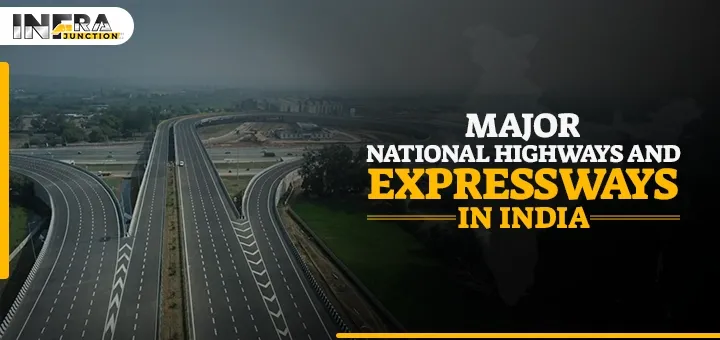
Major National Highways and Expressways in India
Here is a brief overview of significant expressways:
Expressway Name
Route
Length
Key Features
Delhi Dehradun Expressway
Delhi to Dehradun
210 km
Reduces travel time to 2.5 hours; green-friendly development
Gurgaon Delhi Expressway
Gurgaon to Delhi
27 km
Relieves NCR area congestion; part of NH 48
Bangalore Mysore Expressway
Bangalore to Mysore
119 km
Reduces travel time to 90 minutes; increases tourism
Delhi Katra Expressway
Delhi to Katra
727 km
Linked to Vaishno Devi, part of National Highway 44
Delhi Mumbai Expressway
Delhi to Mumbai
1,386 km
Longest expressway in India cuts travel time by 50%
Dwarka Gurgaon Expressway
Dwarka to Gurgaon
18 km
Connects Dwarka to Gurgaon; decongests NH 48
Lucknow Kanpur Expressway
Lucknow to Kanpur
63 km
Reduces travel time by 45 minutes; 6-lane access-controlled highway
Mumbai Nagpur Expressway
Mumbai to Nagpur
701 km
Also known as Samruddhi Mahamarg, it connects key economic centers
Pune Bengaluru Expressway
Pune to Bengaluru
700 km
Reduces travel time to 10 hours; enhances Karnataka-Maharashtra connectivity
Understanding National Highways In India
There are few national expressways which construction is making huge impact in indian economy.
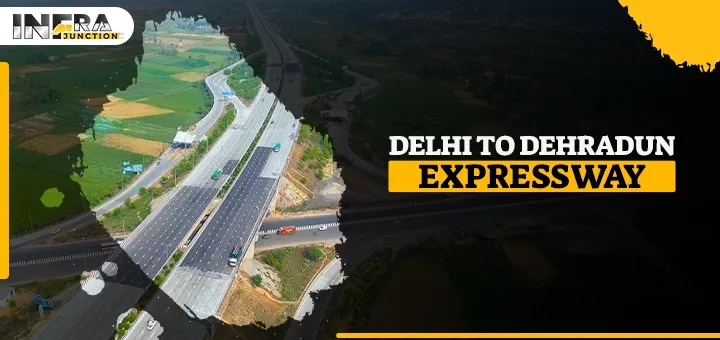
Delhi to Dehradun Expressway
The Delhi to Dehradun new highway is a game changer for Uttarakhand. The 210 km expressway reduces the travel time from 6 hours to 2.5 hours. With wildlife corridors and tunnels, it combines speed with ecological sensitivity. Besides this, it links Haridwar and Rishikesh, which will increase religious tourism.
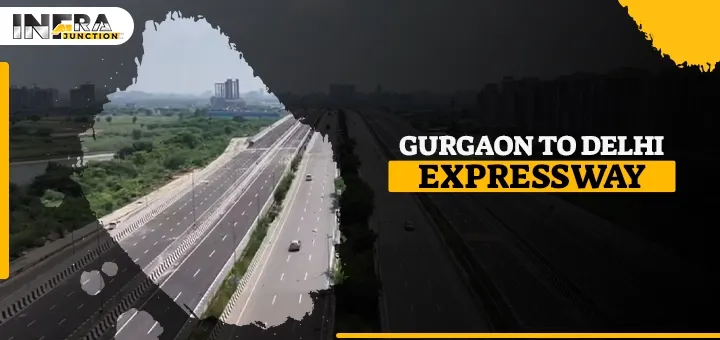
Gurgaon to Delhi Expressway
Part of National Highway 48, the Gurgaon-Delhi Expressway minimizes traffic snarls in the National Capital Region (NCR). Its 27 km length has underpasses and signal-free flyovers, and one way travel during the day is smoother. But even that is congested during peak hours, and there are many such projects that are the need of the hour.
Bangalore to Mysore Expressway
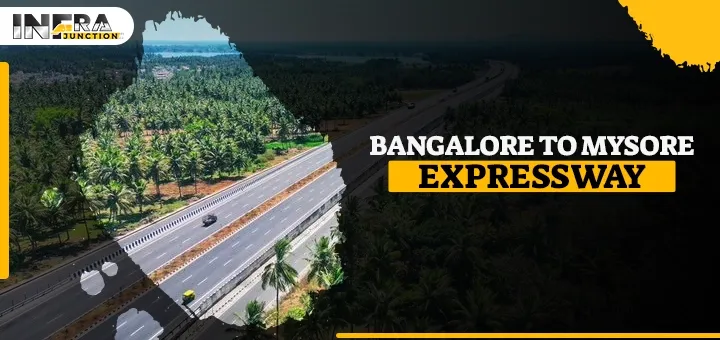
The Bangalore-Mysore Expressway is a 119 km wonder that reduces the travel time between Karnataka's capital and Mysore to 90 minutes. The 10 lane expressway makes the journey quicker for business and tourism, connecting tech centers with heritage sites like Mysore Palace.
Delhi to Katra Expressway
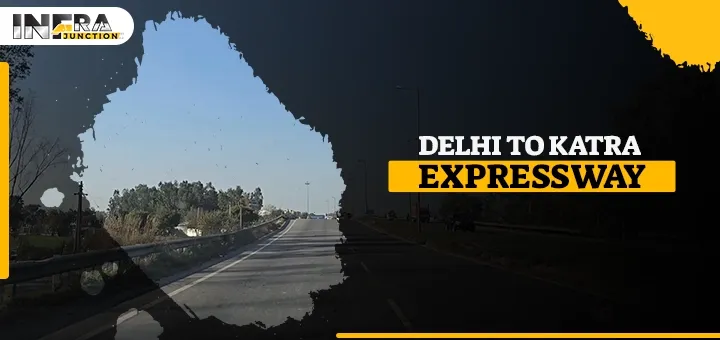
This 727 km national highway connecting Delhi and Katra, the Vaishno Devi pilgrims' base camp, is part of National Highway 44. Through shorter journey duration of 8 hours, it provides faster and more secure connectivity to millions of pilgrims who travel every year.
Delhi to Mumbai Expressway
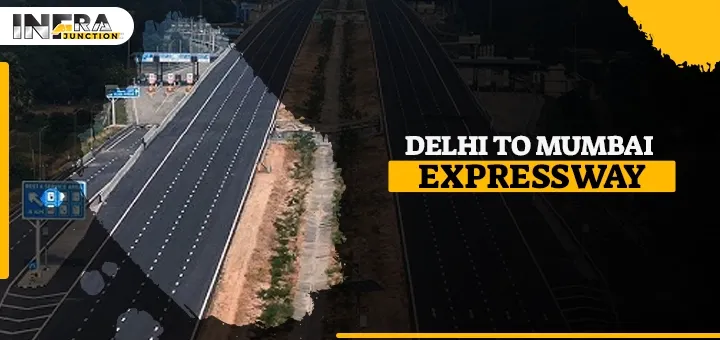
Being the longest expressway in India, Delhi to Mumbai Expressway is 1,386 km long and reduces travel time between the two cities from 24 hours to 12 hours. It spans five states, promoting trade and tourism. In addition, it has electric vehicle charging stations and smart traffic systems.
Dwarka to Gurgaon Expressway
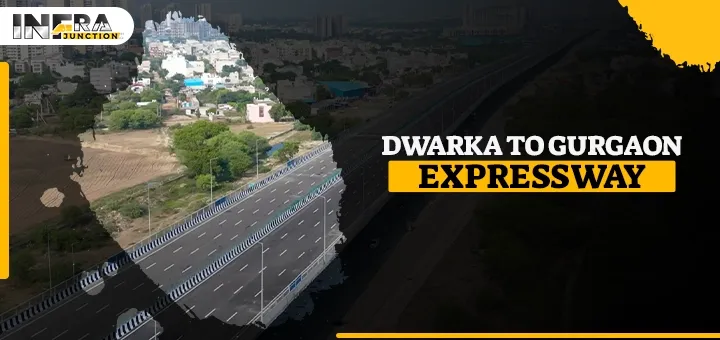
This 18 km expressway links Dwarka’s sub city to Gurgaon, easing pressure on National High ways roads like NH 48. It supports Delhi’s expansion plans and offers faster access to IGI Airport.
Lucknow to Kanpur Expressway
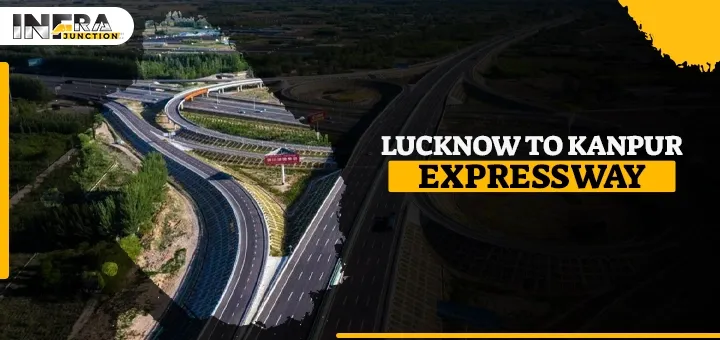
The Lucknow-Kanpur Expressway transforms the 63 km journey into a 45 minute drive. Its six lanes and modern safety features make it a model for Uttar Pradesh’s infrastructure growth.
Mumbai to Nagpur Expressway (Samruddhi Mahamarg)
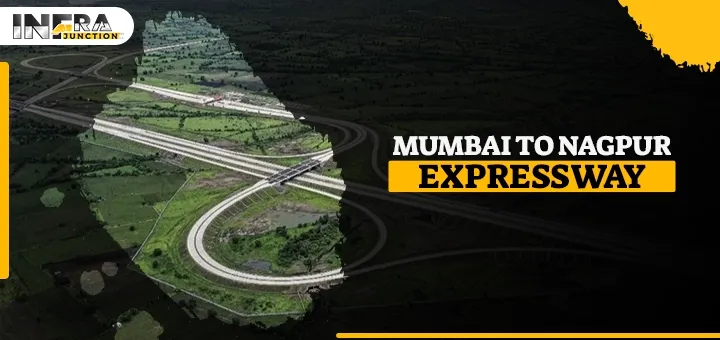
The Samruddhi Mahamarg Nagpur to Mumbai highway is 701 km long and links Maharashtra's political and financial capitals. It accelerates goods transportation, which benefits industries and agriculture.
Pune to Bengaluru Expressway
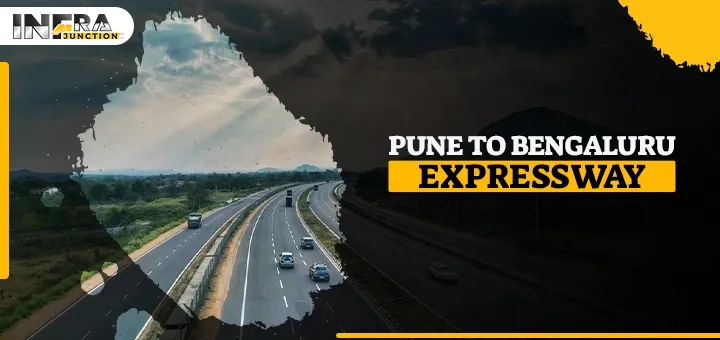
The 700 km expressway shortens the journey between Pune and Bengaluru to 10 hours. It enhances road infrastructure in southern India and facilitates easy development of the technology industry.
Why National Highways Matter
India has more than 200 national highways on its rolls, but expressways such as the ones mentioned are unique in terms of safety and speed. They cut fuel expenses, accidents, and emissions. For instance, the Mumbai to Delhi Expressway alone will save 320 million litres of fuel every year.
Also, initiatives such as Delhi to Katra Expressway and Samruddhi Mahamarg demonstrate the power of highways to drive regional growth. They generate employment opportunities, enhance peripheral region access, and link markets.
The Road Ahead for India's Highways
While Indian national highways roads have made significant progress, issues such as land acquisition and funding continue to dominate. However, the government's emphasis on public private partnerships is speeding up the process.
The most thrilling project is the Delhi-Mumbai Expressway, which will be a model for future highways. With intelligent technology and green means, it's India's vision of a green future.
Conclusion
From the Bangalore-Mysore Expressway to the Mumbai-Nagpur Expressway, India's national highways are not roads but economic growth lifelines. As the national highway list grows, the expressways will continue to change the way India travels, conducts business, and prospers. Pilgrim, truck driver, or merchant, these highways guarantee a smoother, quicker journey.