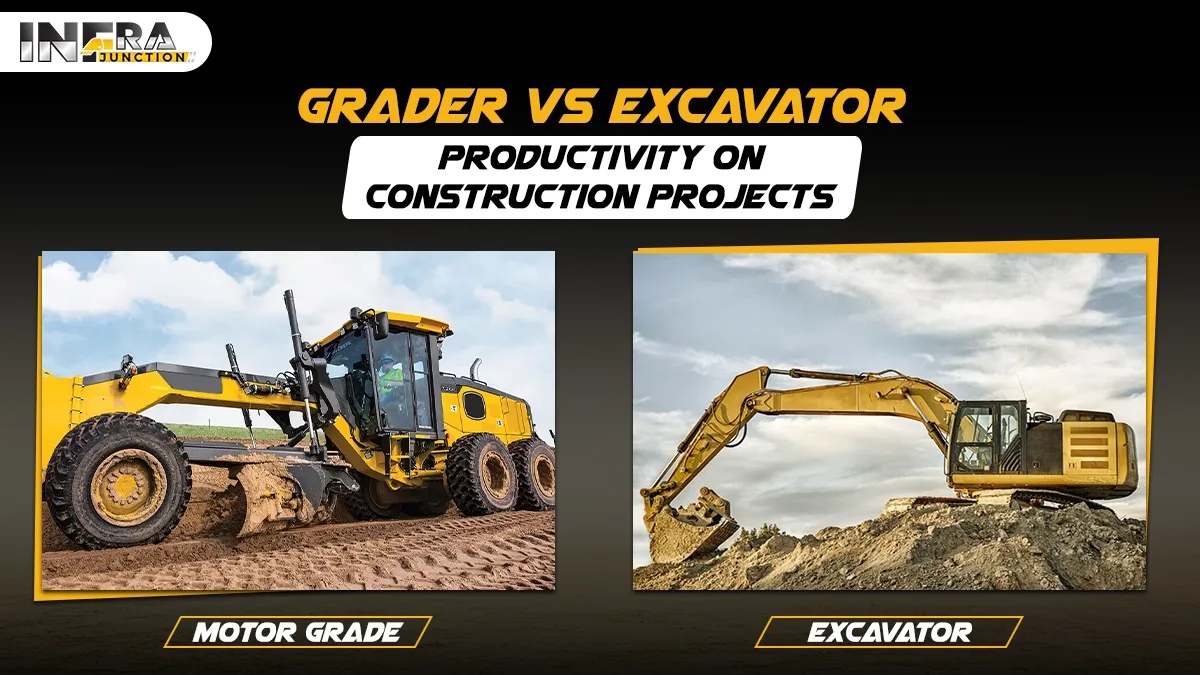
Grading is an important task on construction sites with uneven terrain, debris and weak soil condition. It creates a stable foundation, prevents soil erosion and improves site access. Grading is done using heavy machinery, either an excavator or a motor grader. However deciding which equipment to choose for grading during construction can be confusing for contractors.
In this blog, we compare excavators and motor graders to help contractors choose the right grading equipment.
5 Differences Between Excavators and Motor Graders
This section highlights the differences between excavators and motor graders based on their design, application and productivity:
Machine Design
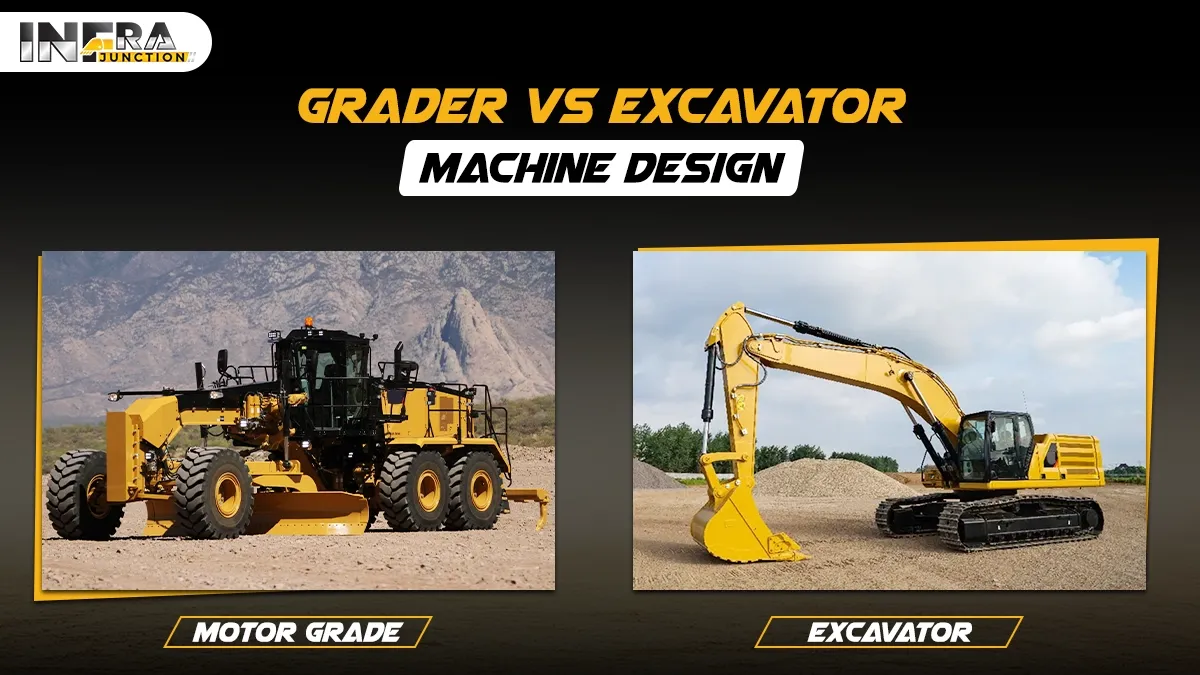
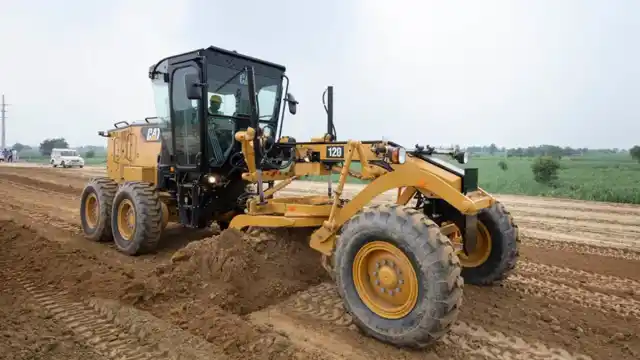
The most basic distinction between a motor grader and an excavator is their design. Motor graders feature a long and narrow frame with a centrally mounted blade. This build supports continuous forward movement on relatively flat surfaces.
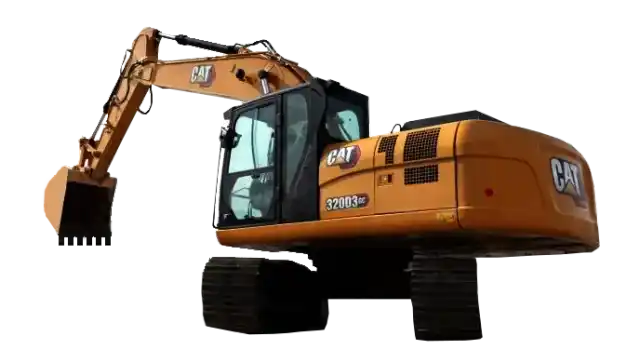
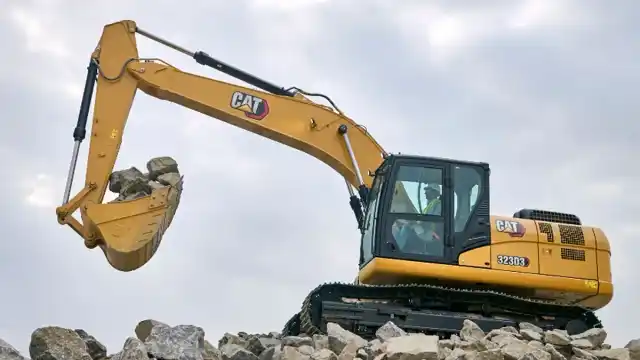
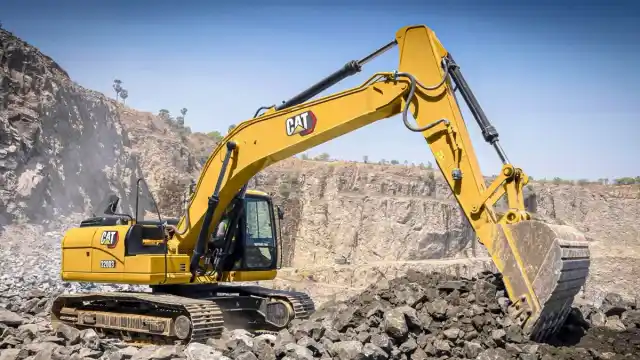
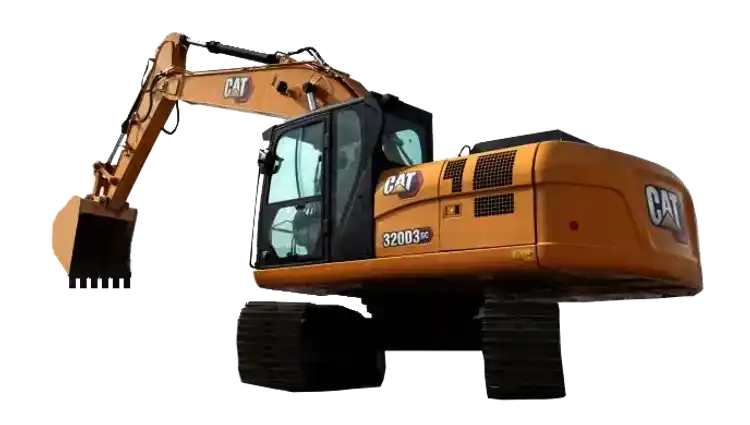
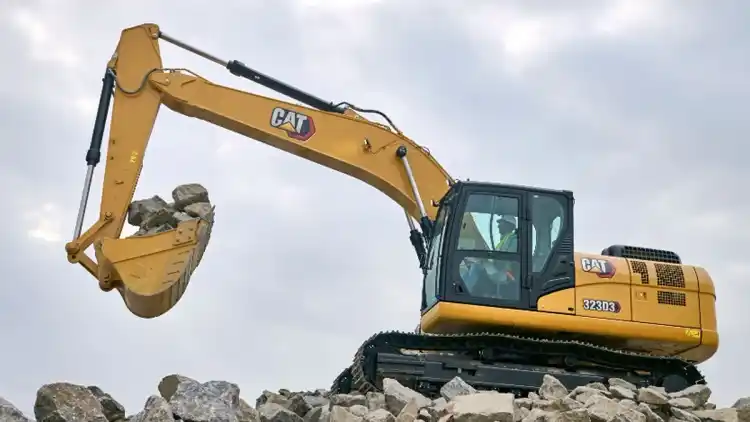
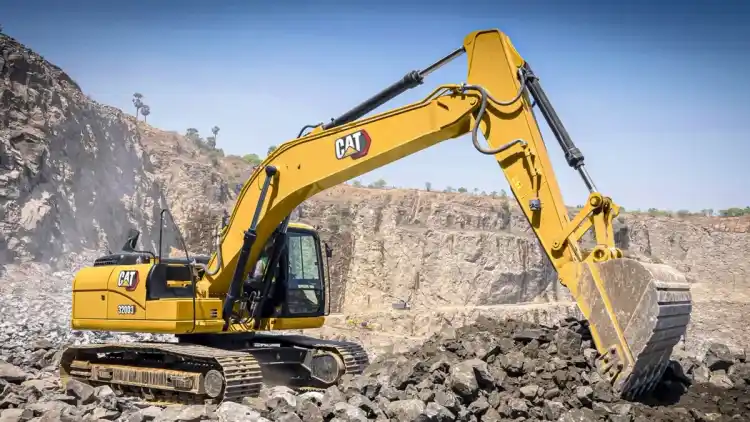
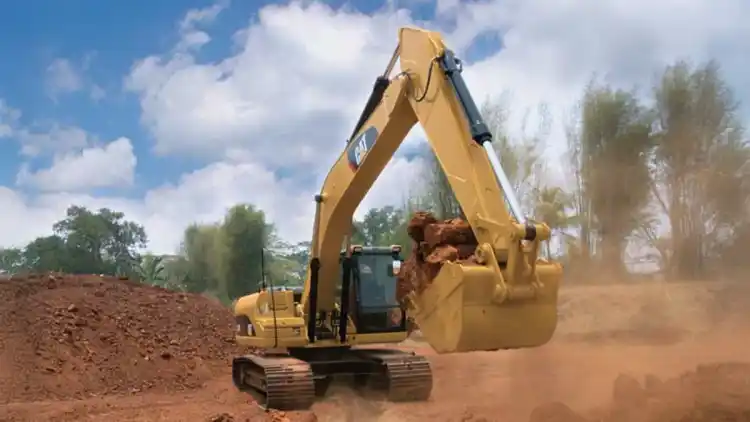
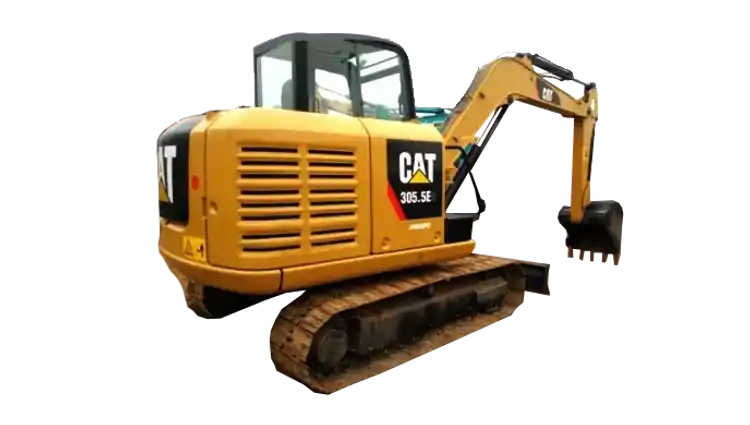
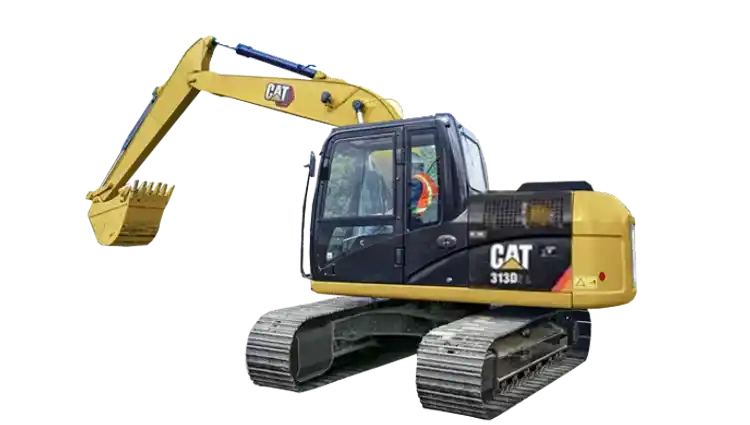
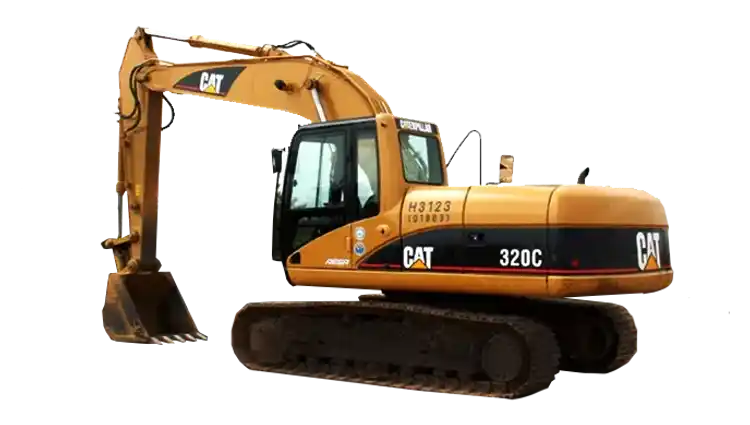
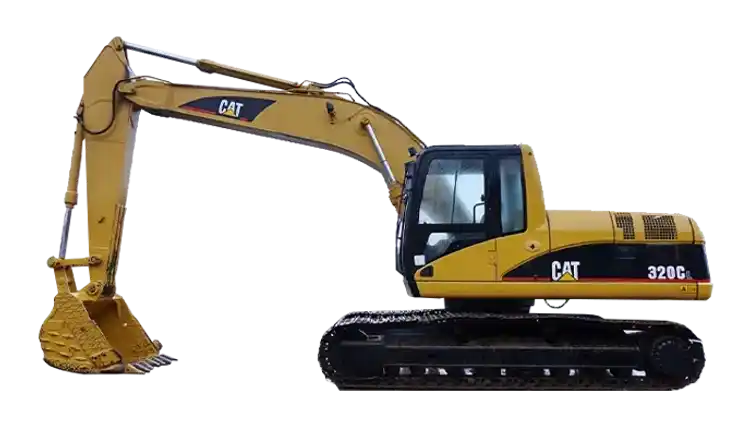
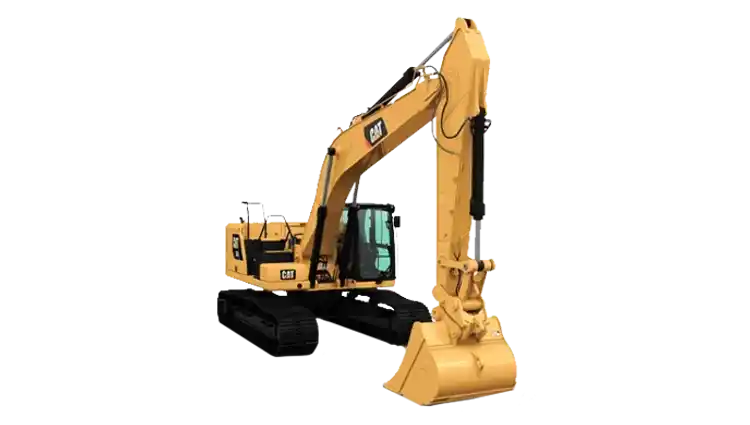
Excavators, in contrast, have a compact and heavy duty tracked design that suits digging and lifting operations. Their boom and bucket setup offers flexible movement, although it limits blade reach during grading.
Key difference based on machine design:
Equipment
Difference
Motor Grader
Long and narrow frame with a centrally mounted blade
Excavator
Tracked design with boom, dipper, and bucket
Grading Precision
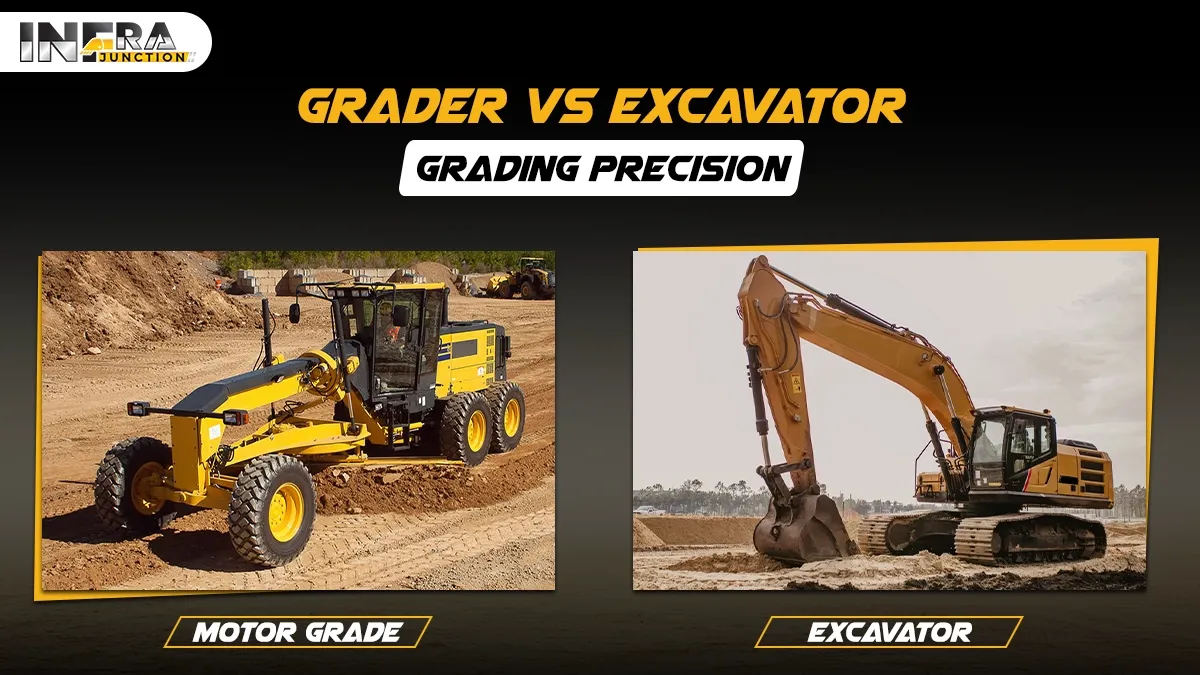
Motor graders offer high grading precision because of their long blades and stable movement. The long blades make them suitable for controlled surface finishing and allow fine adjustments for slopes, road crowns and drainage requirements. This makes it ideal for finishing roads, parking areas and foundation pads where accuracy matters.
Excavators, in comparison, deliver moderate grading accuracy and often require grading technology to achieve precise leveling. Excavators work better on uneven or difficult sites where flexible movement is more important than a smooth finish. However when a project requires very accurate levelling, graders deliver better results.
Key difference based on grading precision:
Equipment
Difference
Motor Grader
Very high
Excavator
Moderate
Site Preparation
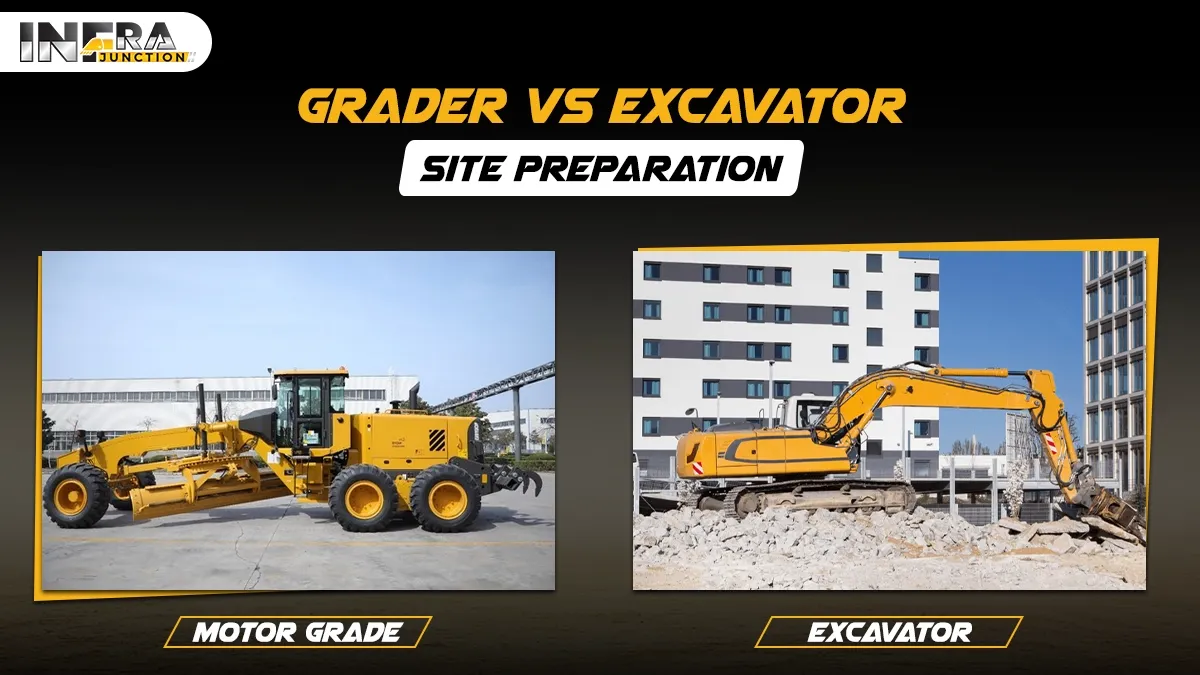
For site preparation, the right machine depends on the timings. It is usually recommended to use both. Excavators should be used during initial site shaping to handle heavy material removal and debris cleaning. They are particularly useful for digging trenches, pits or removing obstacles before finishing work.
After the rough surface is prepared using an excavator, a motor grader is used to level and smooth the surface. The use of a motor grader focuses on finishing touches, while the use of an excavator concentrates on rough, preparatory work.
Key difference based on the site preparation suitability:
Equipment
Difference
Motor Grader
Provides finishing after excavating
Excavator
Used during initial site preparation for clearing debris
Terrain Suitability
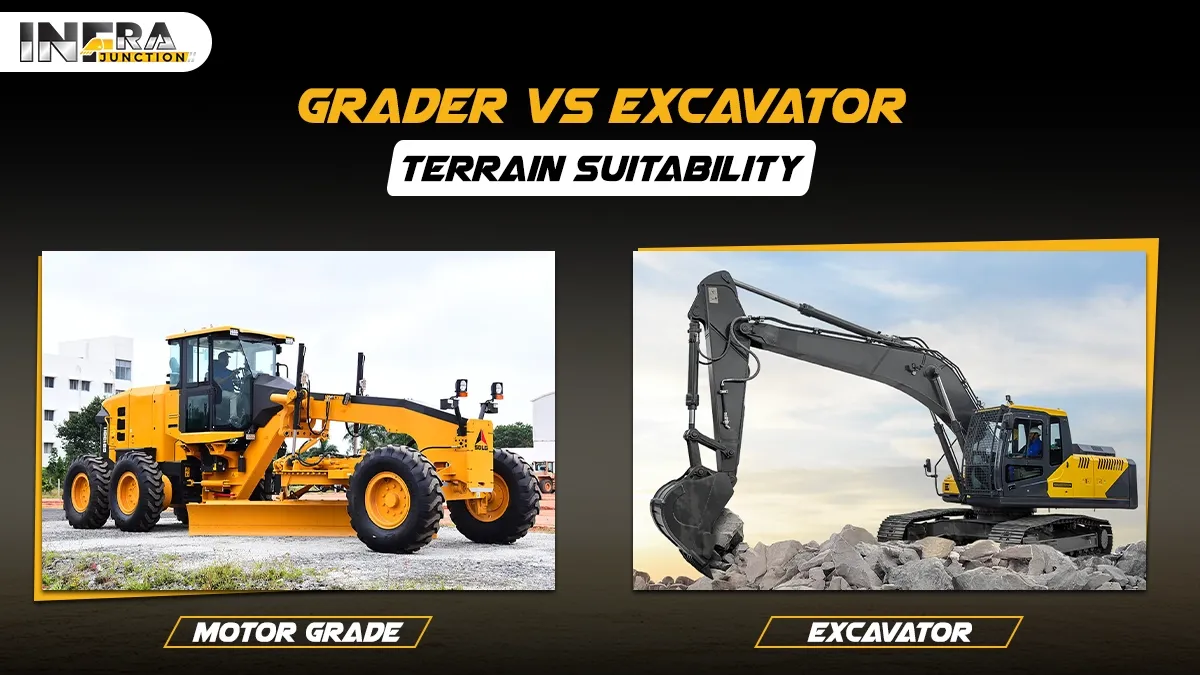
The performance of motor graders and excavators depends on the soil type they are used on. While motor graders perform best on firm and semi level ground, they can struggle on very soft or steep terrains due to wheel slip. Some models like the CAT 120 motor grader come with adjustable blade depth that allows it to handle varying soil conditions more effectively.
Excavators with their tracked design provide excellent stability on soft, uneven or steep surfaces. These machines can access confined or irregular areas where graders cannot operate. Models like CAT 320D3 GC can be used for grading tasks due to their hydraulic control.
Therefore it is recommended to check the site conditions and select the machine based on the soil and space of the site.
Key difference based on terrain suitability:
Equipment
Difference
Motor Grader
Firm, semi level ground
Excavator
Stable on soft, uneven, or steep surfaces
Productivity on Construction Projects
Since motor graders are specially designed for grading tasks, they can complete work in fewer passes. This helps reduce fuel consumption while smooth blade movement helps minimise operator fatigue. Therefore they are heavily used on long stretches, roads and large site leveling tasks where following the project timeline is important.
Excavators on the other hand, are versatile machines that can handle multiple tasks beyond grading, such as digging and material handling. However if used only for grading, the productivity may decrease since repeated passes are needed to level the surface. Some models like Cat 320D3 and Cat 323D3 perform well in excavation but require additional attachments for grading tasks.
graders outperform excavators in projects where speed and precise levelling matter. Excavators excel on sites that require handling multiple tasks.
Key difference based on productivity for grading:
Equipment
Difference
Motor Grader
Highly productive; complete work in fewer passes
Excavator
Moderate productivity for grading
Comparison Table: Excavator vs Motor Grader
Parameter
Motor Grader
Excavator
Primary Grading Role
Finishing, levelling large surfaces
Rough grading, obstacle removal
Accuracy Level
High precision, smooth surface
Moderate precision
Job Suitability
Roads, parking lots, foundation pads
Confined sites, soft or uneven terrain
Operating Efficiency
Continuous passes, high speed
Slower on continuous grading
Surface Finishing Ability
Excellent
Fair, requires multiple passes
Conclusion
Both excavator and motor grader play important roles in construction grading but their suitability depends on the project stage and site conditions. Excavators are better for rough grading, site preparation and handling uneven terrain. On the other hand, motor graders excel in precise levelling and smooth surface finishing. Understanding the grading requirement, soil condition and desired accuracy helps contractors choose the right equipment or use both in combination for efficient results.