India’s road network is one of the largest in the world. Over the years, infrastructure development has been a major focus for the government. Various types of roads are constructed to meet the needs of people, transporters, and industries. In this blog, readers will be taken through different road types like ring roads, expressways, and greenfields, along with key circles and routes such as the Dastan Circle.
What is a Ring Road?
A ring road is generally designed to allow traffic to bypass urban areas. It is constructed in a circular pattern around a city to avoid congestion in the city center. In many metro cities, this type of road has helped to reduce traffic load and travel time. Goods vehicles and interstate transporters usually prefer these routes due to their smooth connectivity.
Ring roads are often planned in phases. These roads are linked with other major highways and urban streets. Over time, the need for such roads has been realized in tier-2 cities as well.
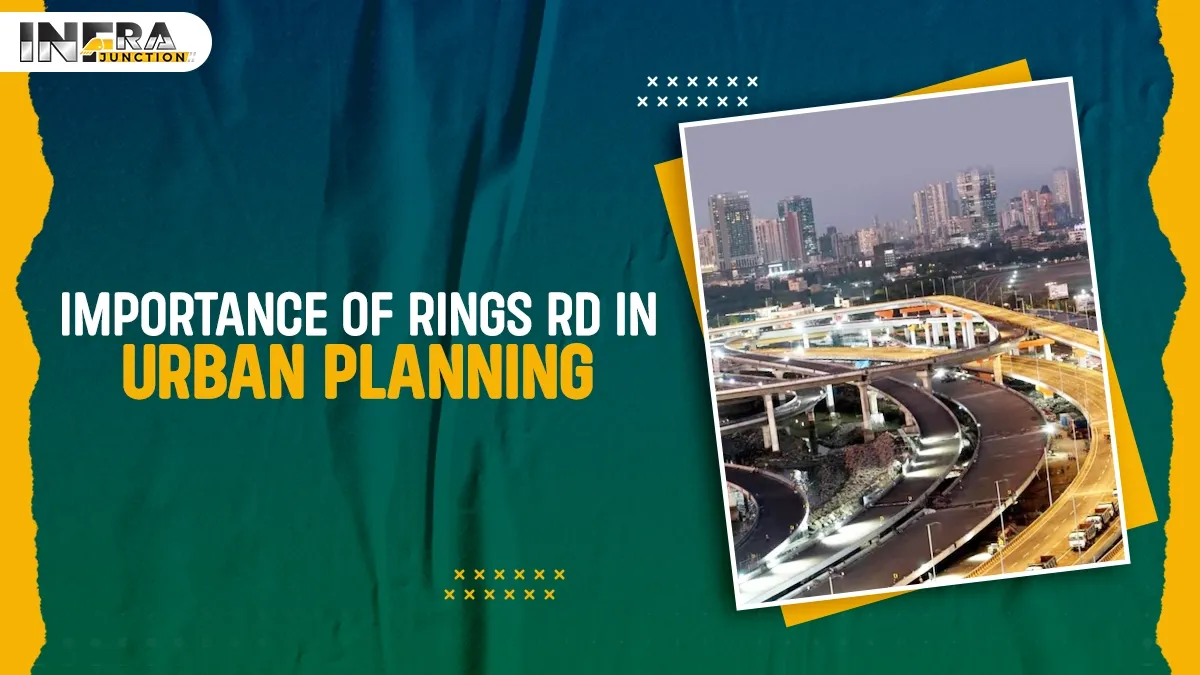
Importance of Rings Rd in Urban Planning
In some regions, the term Rings Rd is commonly used as a shorthand for ring road. This terminology is especially seen on signage and maps in urban localities. The purpose, however, remains the same — to divert heavy traffic away from the core parts of the city.
By urban planners, it has been emphasized that Rings Rd has enhanced road safety and reduced vehicular pollution. The introduction of these routes in upcoming smart cities has been appreciated due to their role in sustainable urban mobility. Public transportation can also be routed through these rings for better connectivity.
A Look at Dastan Circle
Located in Gujarat, Dastan Circle has been identified as a major traffic junction. It is not only known for its strategic location but also for the volume of vehicles that pass through it daily. Dastan Circle has been developed to handle pressure from both local and highway-bound traffic.
Often, such traffic circles are integrated with nearby flyovers or underpasses. This helps in preventing bottlenecks during peak hours. Over time, Dastan Circle has become a landmark point and is used as a reference in local addresses and travel routes.
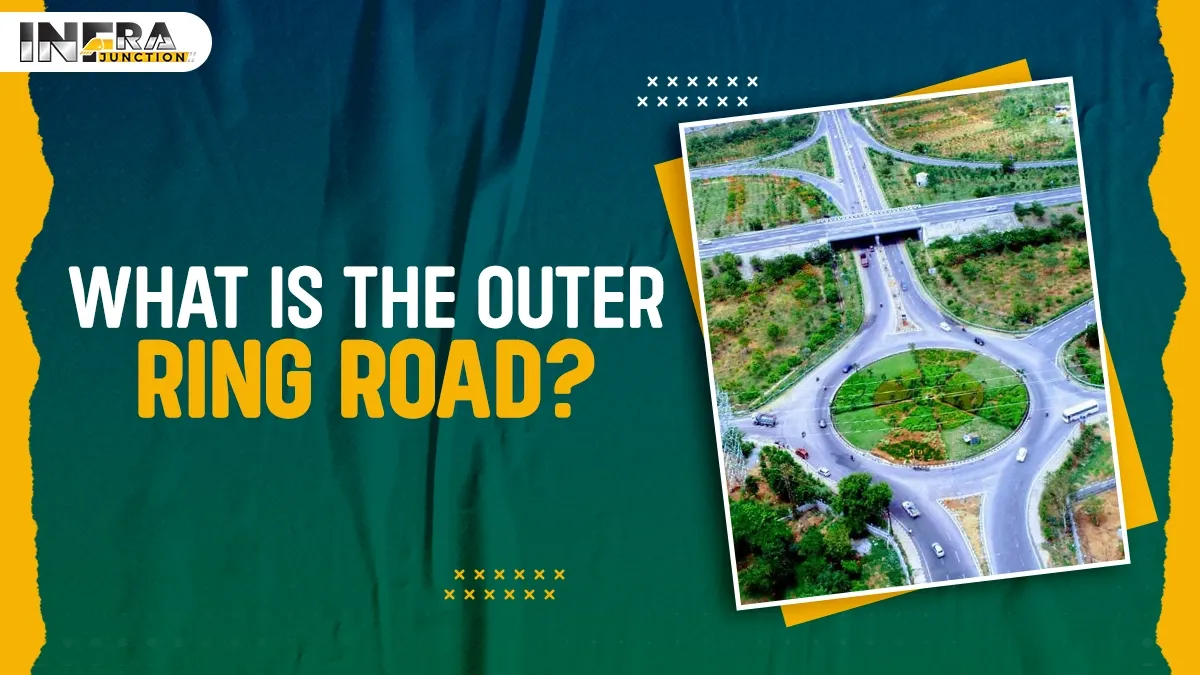
What is the Outer Ring Road?
An outer ring road is a larger loop constructed around the outskirts of a city. These are usually longer than regular ring roads and are planned to connect suburban and industrial areas. In cities like Hyderabad and Bengaluru, outer ring roads have played a crucial role in decongesting city traffic.
Infrastructure on the outer ring road is built to support long-distance transport, often consisting of multiple lanes, dedicated service roads, and toll plazas. The construction of such roads has been undertaken by national highway authorities or state PWDs.
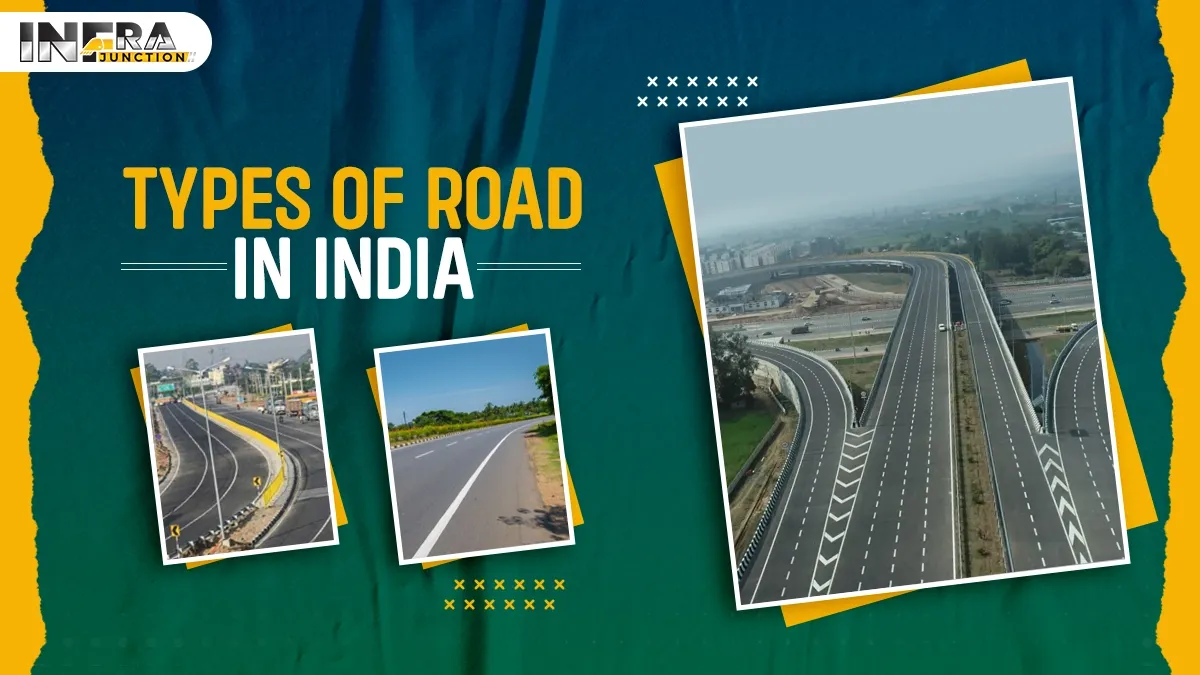
Types of Road in India
Various types of roads in India have been classified based on functionality, design, and jurisdiction. These include:
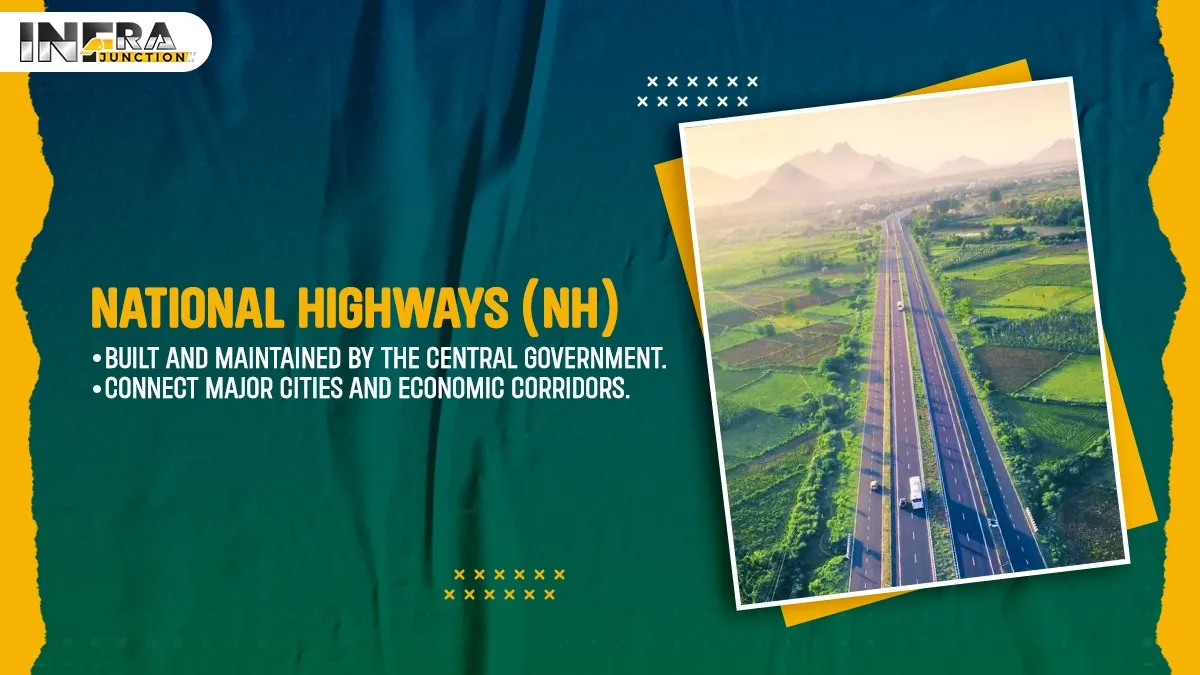
National Highways (NH)
Built and maintained by the central government.
Connect major cities and economic corridors.
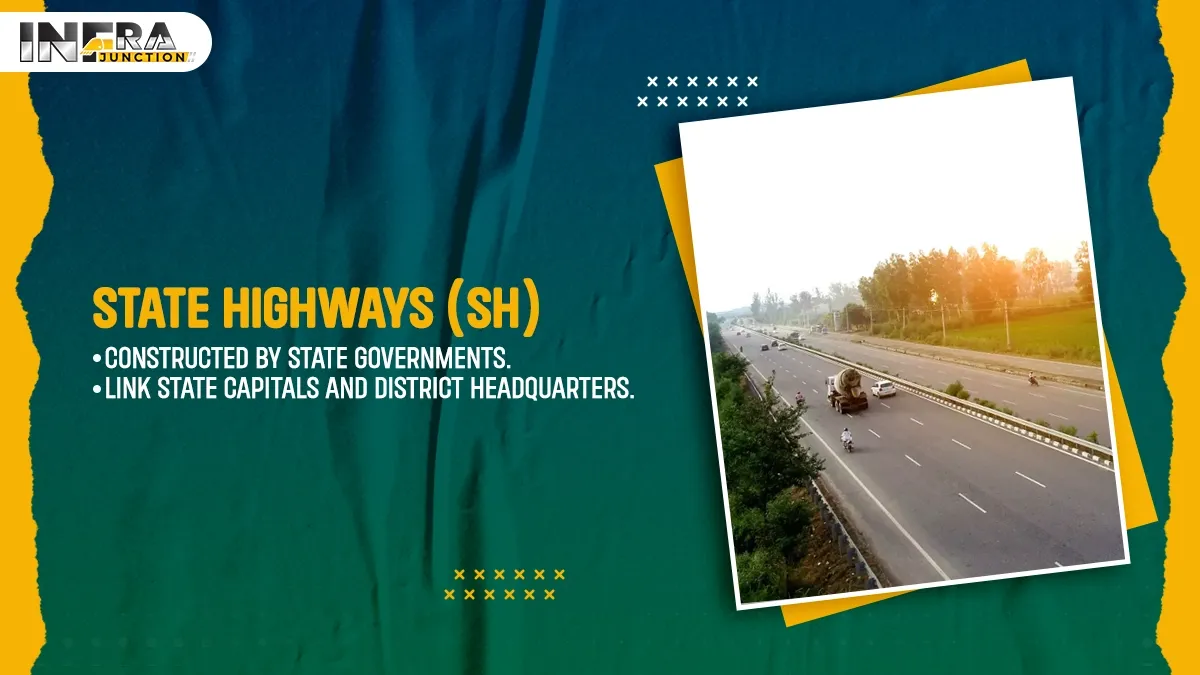
State Highways (SH)
Constructed by state governments.
Link state capitals and district headquarters.
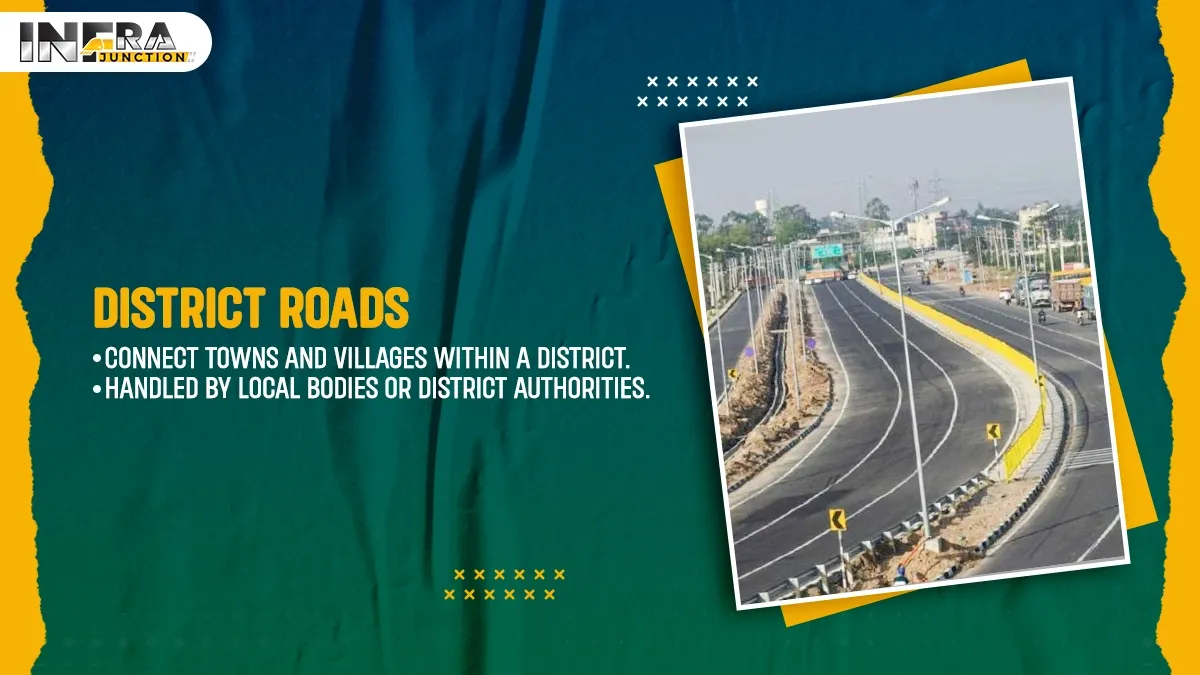
District Roads
Connect towns and villages within a district.
Handled by local bodies or district authorities.
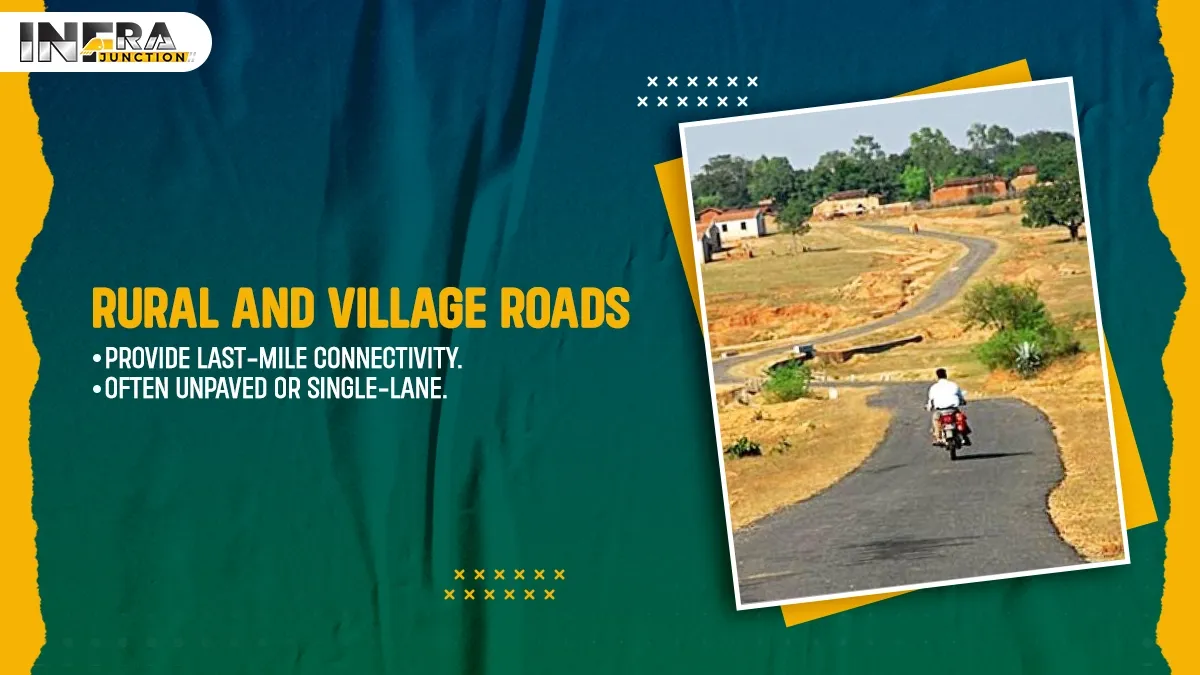
Rural and Village Roads
Provide last-mile connectivity.
Often unpaved or single-lane.
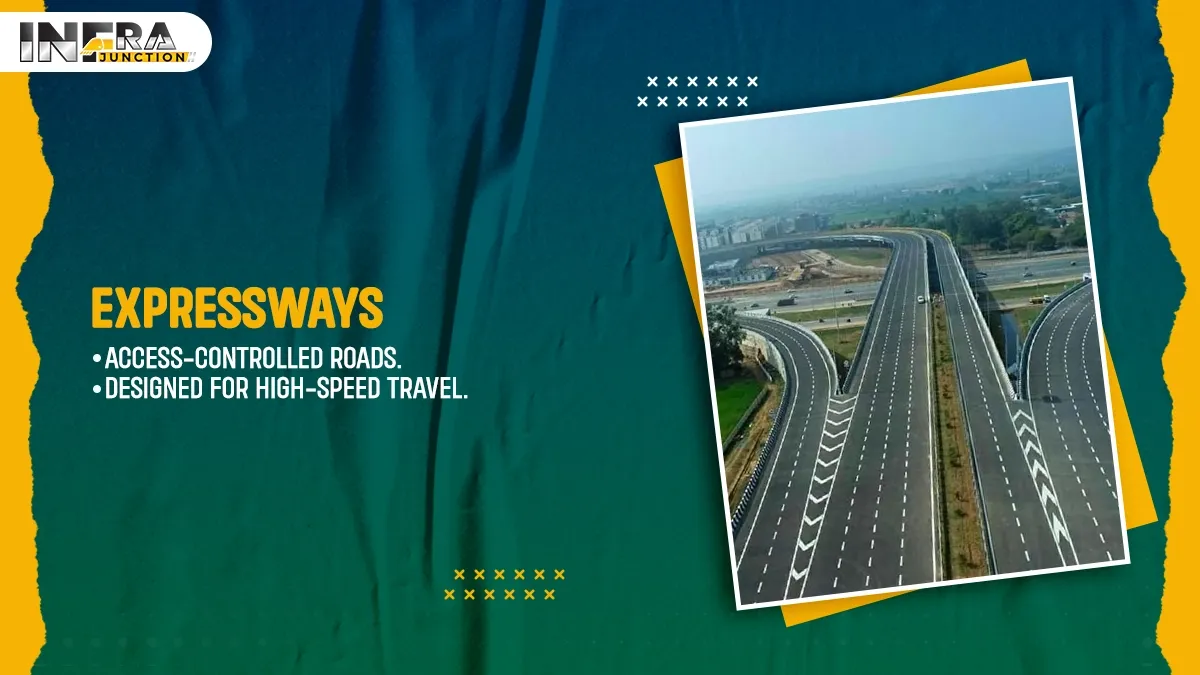
Expressways
Access-controlled roads.
Designed for high-speed travel.
Different road types serve different purposes, and their development has helped in balanced regional growth and connectivity across the country.
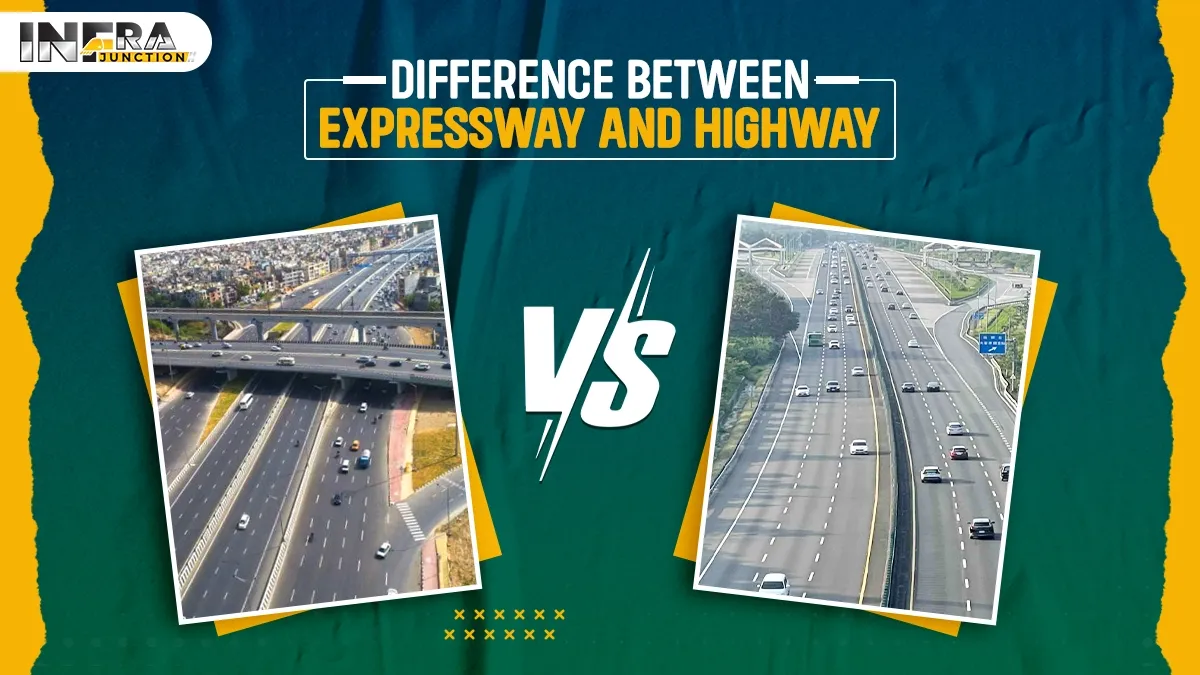
Difference Between Expressway and Highway
The difference between expressway and highway lies mainly in design and speed regulation. Expressways are access-controlled roads meant for fast traffic with no at-grade intersections. On the other hand, highways may include crossings, signals, and allow mixed traffic including two-wheelers and pedestrians.
Key Differences
Speed Limit: Expressways support higher speed limits.
Access Control: Expressways are strictly access-controlled; highways are not.
Tolling: Expressways often have toll booths at regular intervals.
Usage: Highways serve a wider range of vehicles.
Due to these reasons, expressways are preferred for long-distance travel and logistics.
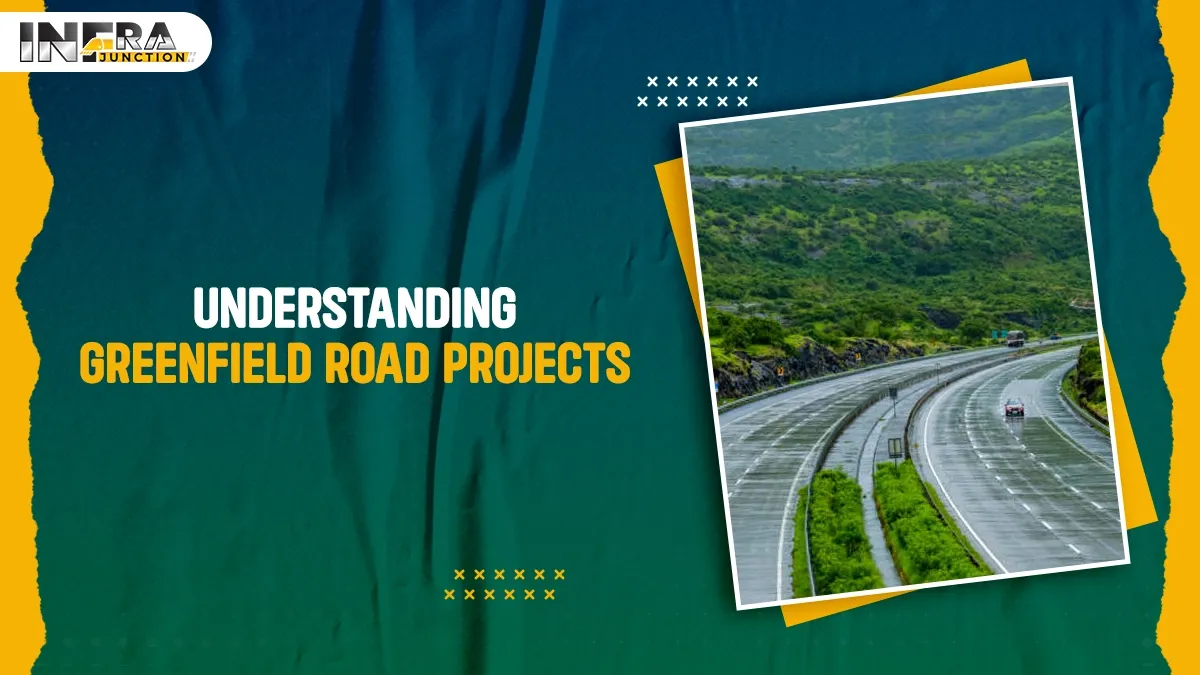
Understanding Greenfield Road Projects
A greenfield road project refers to a brand-new construction from scratch, where no previous road existed. Land acquisition, planning, and alignment are done entirely on virgin land. These projects allow more flexibility in design and route optimization.
They are mostly used for creating new corridors, expressways, or major bypasses. The Delhi-Mumbai Expressway is one of the finest examples of a greenfield road project. Greenfield routes are appreciated for their ability to reduce travel time and create economic corridors.
What is a Greenfield Rd?
The term greenfield rd is simply a short form of greenfield road and is frequently used in reports and documentation. It carries the same meaning — a road built from scratch with no constraints of existing alignments.
Government schemes like Bharatmala and Gati Shakti have promoted greenfield rds for creating modern transport infrastructure. These roads are usually wide, straight, and follow the latest design standards. Land availability, however, becomes a challenge in densely populated areas.
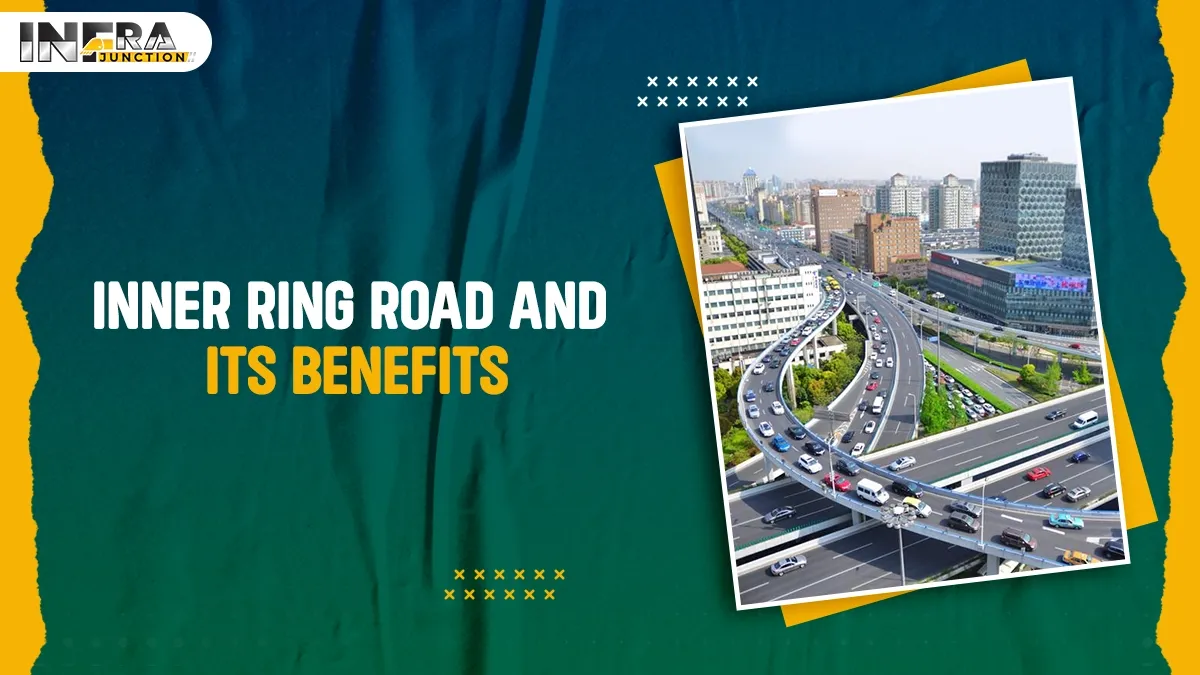
Inner Ring Road and Its Benefits
An inner ring road is developed closer to the city center compared to the outer ring road. It is designed to improve connectivity between central localities and business districts. Cities with high population densities find great utility in these roads.
One of the major benefits of the inner ring road is reduced dependency on internal narrow streets. Traffic movement becomes more organized and faster. These roads are often built with signal-free intersections or flyovers at busy junctions.
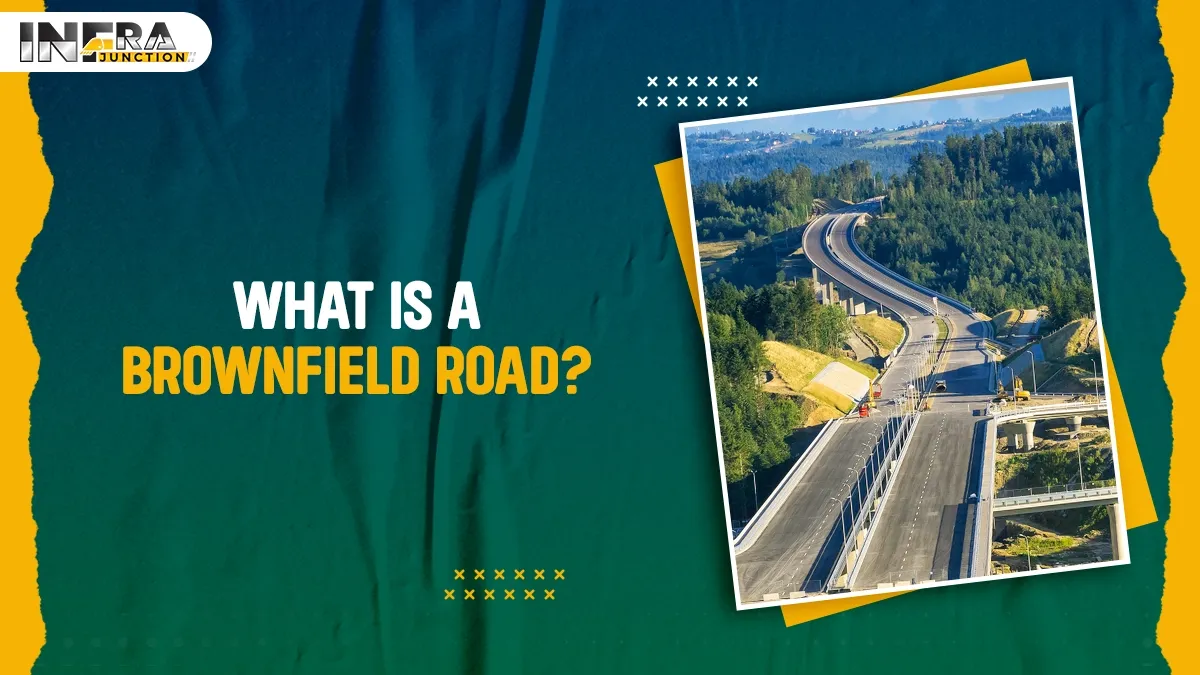
What is a Brownfield Road?
Unlike greenfield roads, a brownfield road refers to an upgraded version of an existing road. Instead of constructing a new alignment, the old road is widened, improved, or modernized to meet current traffic needs. Brownfield projects are less expensive and require fewer environmental clearances.
These are generally implemented where land is scarce or urban development has already occurred. Brownfield roads are essential in densely populated areas and city entry points. In many cases, these are used to convert highways into expressways.
Conclusion
India’s road development strategy includes a balanced mix of ring roads, greenfield expressways, and brownfield upgrades. Each project type is chosen based on geography, traffic needs, and development goals. While ring roads help in avoiding inner-city congestion, greenfield and brownfield roads boost regional connectivity.
Understanding these roads helps citizens appreciate how transport infrastructure is shaping modern India. From Dastan Circle to expressways, each development reflects careful planning and a commitment to growth.