Compactorsrefer to heavy machinery that is commonly employed on construction sites in order to compact soil, construct roads and finish the surface. Among multiple brands available, JCBand CASEare two well known names in India. They offer different types of compactors with varied specifications and applications.
In this blog, we’ll compare JCB and CASE compactors based on their specs and usage. This will help you understand which one fits your work requirements better.
JCB Compactors
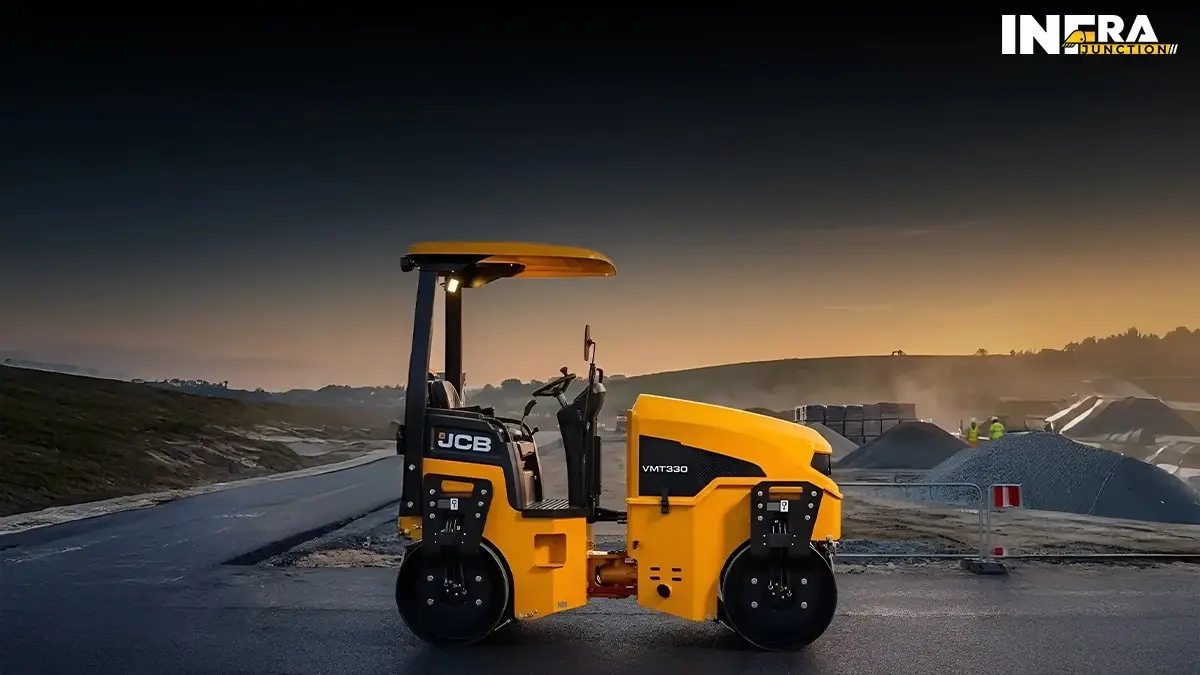
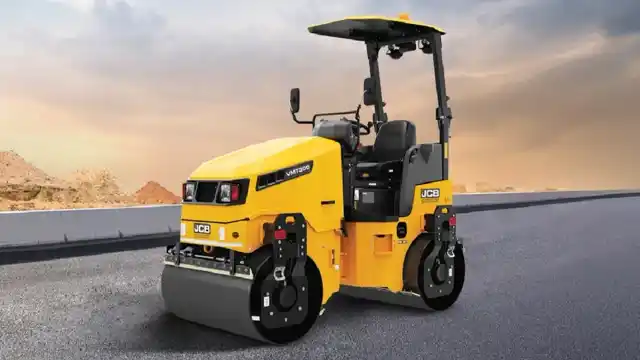
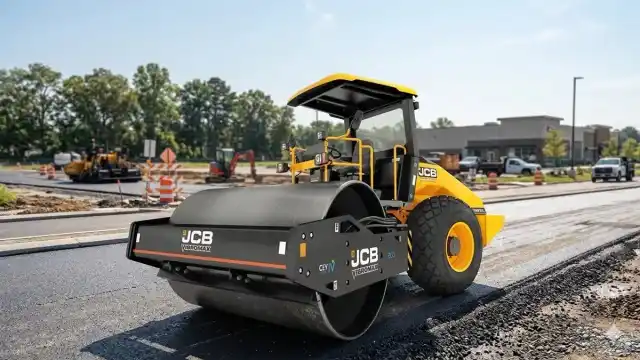
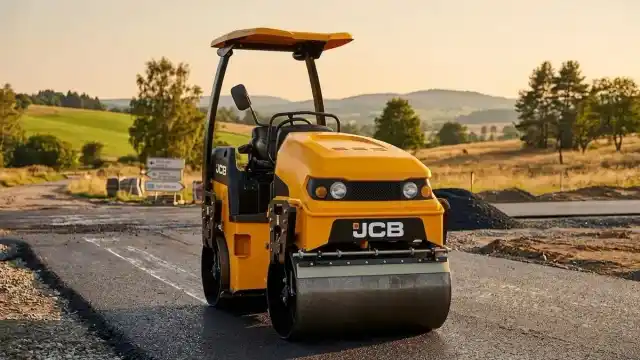
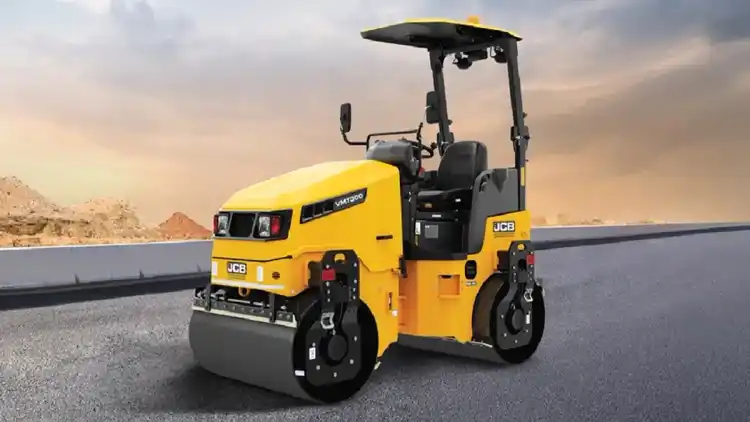
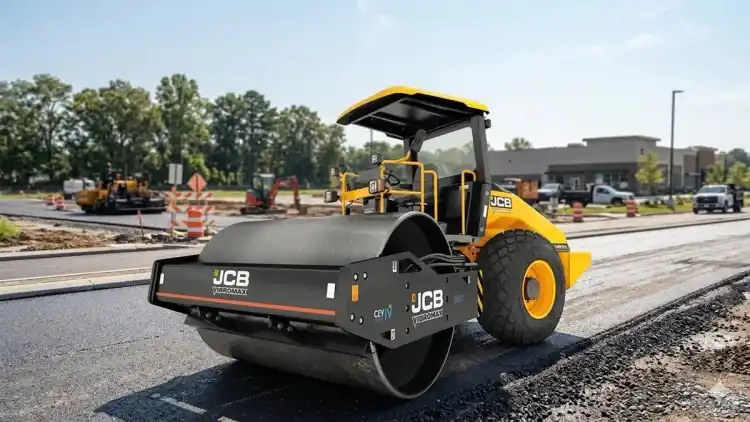
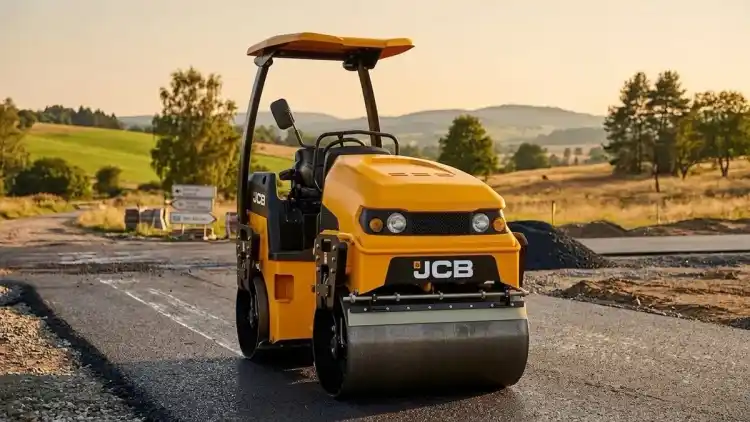
JCB compactors are commonly used on roads and construction sites across India. The brand offers both mini tandem rollers and single drum compactors for different types of work.
Popular JCB compactor models such as VM 117, VMT 330, and VMT300are used for soil compaction and road finishing. The engines of these machines have 44 to 74 HP, which is capable of supporting heavy work. Additionally, the drum width offered in JCB compactors ranges from 1200 mm to 2100 mm, which makes them suitable for both small and large construction tasks.
Key Highlights
Easy to use control system
Available in both small and heavy models
Suitable for road and soil compaction work
Widely available across different regions
CASE Compactors
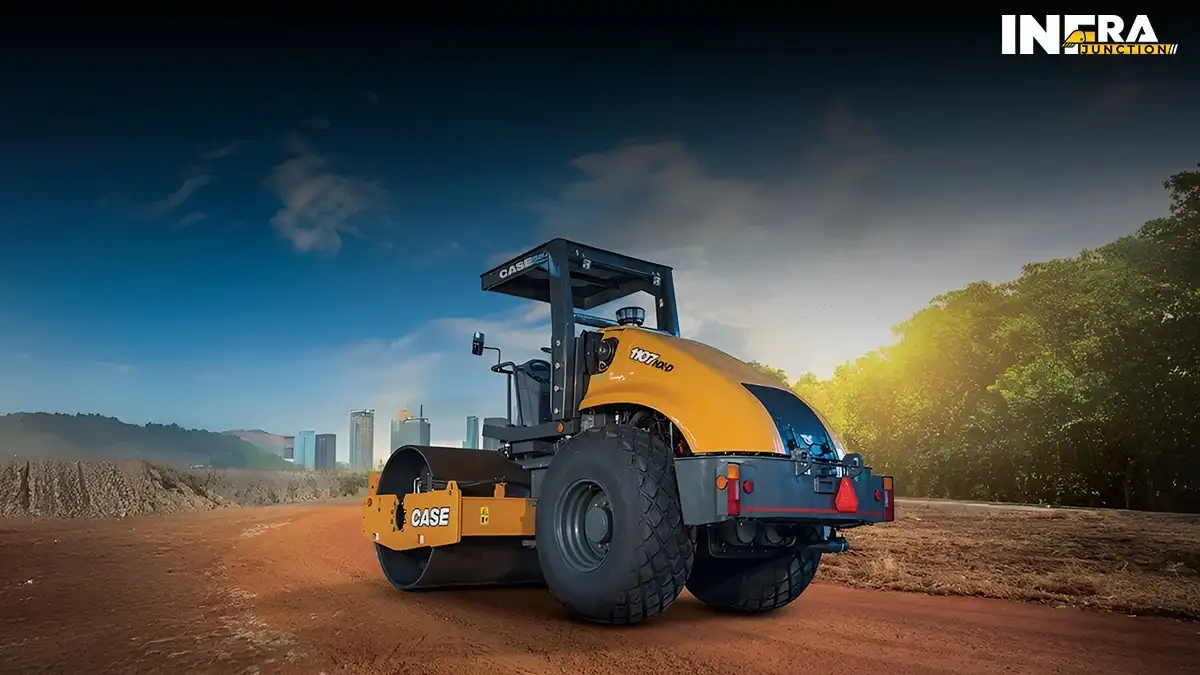
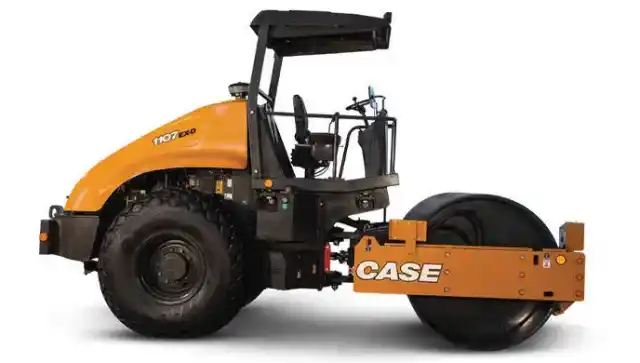
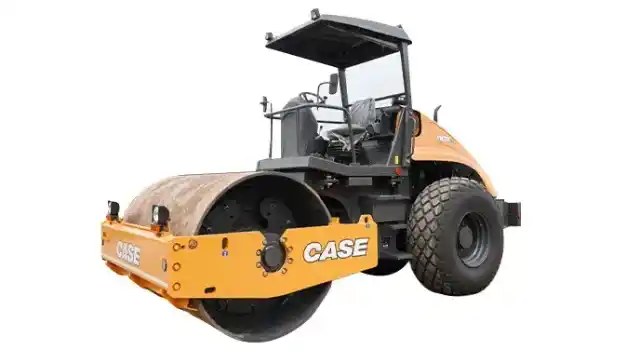
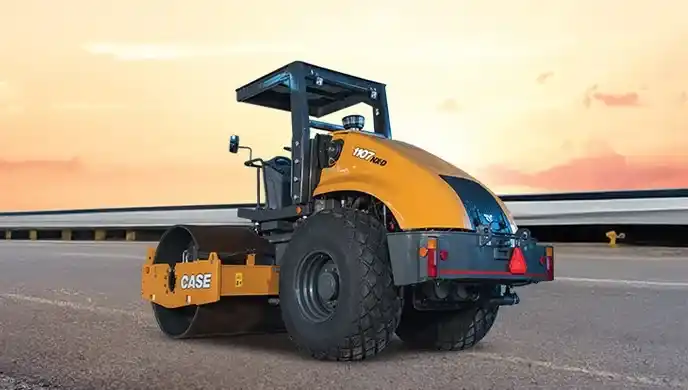
CASE compactors are mainly used for heavy duty construction and large infrastructure projects. These machines are designed for handling tough compaction work, such as highways and large road projects.
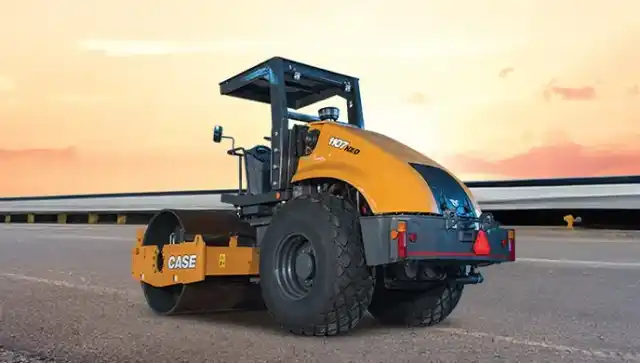
Popular CASE compactor models include 1107 NX, 1107 EX-D PLUS, and 1107EX PLUS, which are widely used for soil compaction. Moreover, the drum width ranges from 1000 mm to 2150 mm, while the fuel tank capacity is up to 275 litres. This makes them suitable for both medium and large scale construction work.
Key Highlights
Higher engine power for heavy work
Better suited for large scale projects
Advanced vibration system for different soil types
Strong build for continuous usage
Comparison Between JCB & CASE Compactors
The table below compares JCB and CASE compactors based on their overall capacity and performance.
Specs
JCB Compactors
CASE Compactors
Engine Power
44 HP to 74 HP
25 HP to 101 HP
Max Operating Weight
2740 kg to 11525 kg
2900 kg to 11550 kg
Drum Width
1200 mm to 2100 mm
1000 mm to 2150 mm
Fuel Tank Capacity
46 litres to 300 litres
38 litres to 275 litres
Which Compactor is Best For Your Work?
Choosing between JCB and CASE compactors depends on the type of work you do:
Choose JCB if:
Your work includes small to medium construction projects
You need compact machines for city or narrow areas
You are looking for more budget friendly options
You want variety in machine sizes
Choose CASE if:
Your projects involve highways or large infrastructure work
You need more engine power and heavier machines
Your work requires continuous and heavy compaction
You prefer machines focused on high performance
Conclusion
JCB and CASE both offer good compactors for construction work, but they suit different types of needs. JCB compactors come in a wider range, including smaller machines, which makes them a good choice for medium sized projects. On the other hand, CASE offer higher power in some compactor models and is better suited for large scale work.
Overall, if your work is flexible and varies from small to mid level projects, JCB can be a better option. However, CASE can be more applicable to you when you deal with larger projects, such as highways and constant heavy compaction. Your final choice should depend on your budget, type of work, and how often you plan to use the machine.
FAQs
What is the engine power range of JCB compactors?
The engine power ranges from 44 HP to 74 HP, which is suitable for road work and general construction tasks.
What is the engine power range of the CASE compactor machine?
CASE compactors offer a wider engine power range from 25 HP to 101 HP, making some models suitable for heavier and more demanding compaction work.
Are JCB compactors good for small construction sites?
Yes, JCB compactors are a good choice for small and medium construction sites. They also offer mini tandem rollers, which are useful for city and narrow area work.
What is the drum width range in JCB and CASE compactors?
JCB compactors offer a drum width between 1200 mm and 2100 mm, while CASE compactors range from 1000 mm to 2150 mm, covering both small and large compaction needs.
Which brand offers more variety in compactors?
JCB offers more variety, including both mini and heavy compactors, making it suitable for different types of construction work.
What is the fuel tank capacity of JCB compactors?
JCB compactors have a fuel tank capacity ranging from 46 litres to 300 litres, depending on the model.
Which compactor is better for continuous heavy work?
CASE compactors are better suited for continuous heavy work, especially in large-scale projects like highways and infrastructure development.
How to choose the right compactor for your work?
You should choose based on your project type. If your work is small to medium and needs flexibility, JCB is a better option. If your work involves large projects and heavy compaction, then CASE compactors are more suitable.